
Utah Gardeners Swear by This: What Type of Mulch Is Best in 2025

Mulching in Utah’s Unique Climate
Utah’s climate is famously dry and challenging for gardens. With scorching summers and freezing winters, locals often ask what type of mulch is best to keep their plants healthy.
Mulching means covering the soil with materials like wood chips, compost, straw, or even rocks. This simple practice helps soil stay moist, keeps weeds down, and makes the garden look tidy. In Utah’s arid climate, mulch can be the difference between a thriving flowerbed and a dried-out patch of dirt.
Utah gardeners swear by mulch as a secret weapon in their yards. It’s no wonder they often ask what type of mulch is best for our climate and soil conditions.
In this 2025 guide, we’ll explore what type of mulch is best for Utah’s unique climate, soil needs, and water conservation goals. Each section offers friendly tips to help you make informed mulch choices.
By knowing what type of mulch is best for Utah conditions, you’ll set your garden up for success and resiliency.
Climate Challenges: Hot Summers, Cold Winters
Utah’s weather features intense sun, low humidity, and big temperature swings. Summers can top 100°F and winters drop well below freezing. These extremes make gardeners wonder what type of mulch is best to protect their plants from heat and cold.

In the sizzling summer sun, bare soil loses moisture fast. A mulch layer acts like a sunshade on the ground, reducing evaporation and keeping roots cooler.
In a hot, dry climate, mulch dramatically lowers soil temperatures and cuts down the water needed to keep plants healthy.
Winter brings a different challenge with frost and freeze-thaw cycles. Mulch serves as an insulating blanket over the soil, moderating temperature swings and shielding roots from deep freezes. By mulching in fall, you help plants survive Utah’s cold, dry winters with less stress.
Utah’s high altitude means stronger UV rays. Intense sunlight can break down organic mulches faster and heat up rock mulches. Light-colored gravel might reflect some heat, while bark could dry out, so factor sun exposure into what type of mulch is best for a given spot.
Drought is also common here, making mulch not just a nicety but a necessity. Using the right mulch is one of the easiest ways to buffer Utah’s climate extremes and keep your garden greener through the tough conditions.
Soil Conditions: Improving Utah’s Earth with Mulch
Many Utah soils are alkaline (high pH) and low in organic matter. Clay is common too, making soil hard and compacted. Gardeners naturally wonder what type of mulch is best to improve their soil over time.
Organic mulches like compost, wood chips, or leaves gradually break down and feed the soil. This adds humus to Utah’s nutrient-poor earth and can even help balance pH slightly. In general, what type of mulch is best for soil health is one that decomposes and enriches the ground.
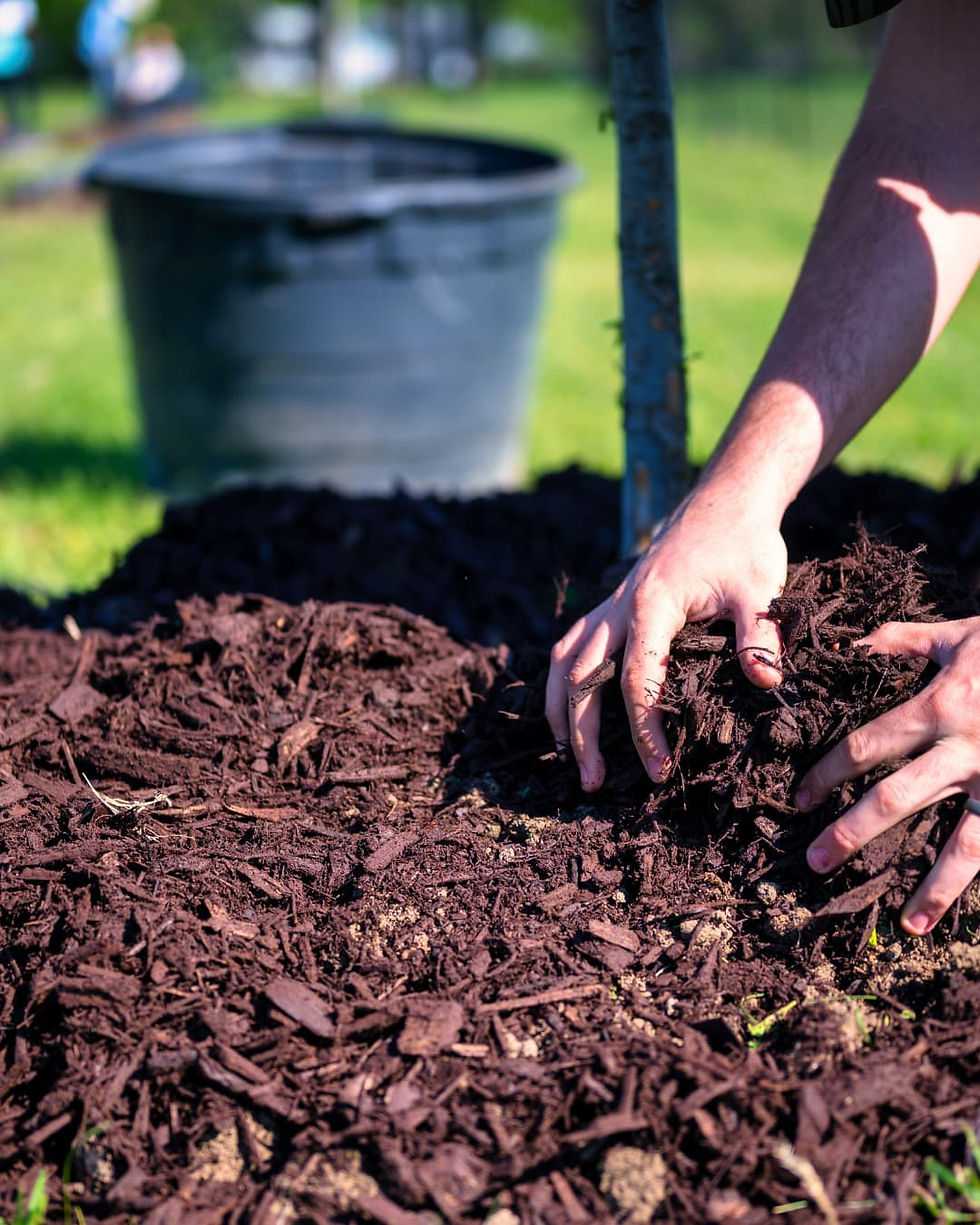
Mulch also protects the soil surface from crusting and erosion. In our dry climate, uncovered soil can blow away or bake hard.
A layer of mulch keeps soil beneath it softer and full of life. Worms and microbes thrive under mulch and mix that organic material into the dirt, further improving soil structure and fertility.
Some Utah soils have salt buildup or nutrient lock-outs. Mulches like compost or well-rotted manure can supply nutrients and help soil hold water, reducing salt stress.
Wood-based mulches can tie up a bit of nitrogen as they decompose, so adding a little fertilizer or a thin compost layer underneath can offset that.
Think of mulching as investing in your soil. Each year you refresh the mulch, you’re improving the ground beneath. Even Utah’s tough clay or alkaline soil can become more plant-friendly with consistent mulching to boost organic content.
Water Conservation: Mulch as Utah’s Secret Weapon
Water is precious in Utah, so conserving moisture is a top priority for gardeners. It’s no surprise many ask what type of mulch is best for saving water in their yards.
A layer of mulch acts like a lid on the soil, dramatically reducing evaporation. Bare soil can dry out quickly, but mulch keeps water in the ground for much longer. In a Utah garden, that means you can water less often while your plants stay hydrated.
Different mulches have different water-saving abilities. Coarse, fluffy mulches like wood chips let rain soak in and then slow down evaporation. Many Utah vegetable gardeners use a 2–3 inch layer of straw or wood chips to retain moisture and keep weeds down. If water conservation is your goal, pick what type of mulch is best at holding moisture without compacting.
Mulch also helps water go where it’s needed. Instead of rain running off hard ground, mulch slows it down so it soaks into the soil. During Utah’s sudden summer downpours, a mulched bed will absorb more water instead of losing it to runoff. Every drop counts, and mulch makes sure more of each drop benefits your plants rather than washing away.
Even gravel or rock mulches can save water by shading the soil surface. They don’t hold moisture like organic mulch, but by covering the ground they still reduce evaporation. In desert-style landscapes, gravel is often what type of mulch is best for low-water native plants. No matter which type you choose, mulching is practically a must for water-wise gardening in Utah.
Organic vs. Inorganic Mulch: Choosing What’s Best
Mulches fall into two categories: organic (plant-based materials that decompose) and inorganic (non-living materials like rock or fabric that don’t break down). Gardeners often debate what type of mulch is best – organic or inorganic – and the answer depends on your goals.
Organic mulches include wood chips, bark, straw, grass clippings, leaves, or compost. These mulches enrich the soil as they break down, adding nutrients and organic matter. They keep roots cool and moist and also need periodic replenishing. If you want to improve soil health, an organic mulch is generally what type of mulch is best.

Inorganic mulches include gravel, decorative rock, landscape fabric, or rubber pieces. These don’t provide nutrients, but they last a long time without needing replacement.
In Utah’s water-wise landscapes, inorganic mulches are common because they don’t hold moisture against drought-tolerant plants and won’t blow away in wind.
Rocks are also fireproof, a big plus in fire-prone areas. (Keep in mind that rock can heat the soil and doesn’t improve it, so use it around plants that don’t need rich, damp earth.)
Many Utah gardeners actually use a mix of both. For example, they might put gravel or stone mulch in a xeriscape section with cacti and natives, and use bark or compost mulch in flower beds or vegetable gardens. Choose what type of mulch is best for each area of your yard based on the plants there. One size doesn’t fit all – and that’s okay!
In summary, organic mulches feed the soil and suit water-loving or shallow-rooted plants, while inorganic mulches are low-maintenance and great for dry, open landscapes. By understanding the strengths of each, you can get the benefits of both types in your Utah garden.
Wood Chips and Bark: A Utah Garden Staple
Walk through a Utah neighborhood and you’ll see many beds covered in wood chips or bark mulch. These wood-based mulches are popular for good reason. They are readily available (often even free from tree services) and effective at conserving moisture and reducing weeds. If you’re looking for a general-purpose option, wood mulch is often what type of mulch is best for most Utah gardens.
A few inches of bark mulch helps keep soil consistently damp and blocks a lot of weed growth. It also gives beds a neat, natural look. Utah gardeners swear by wood chips around shrubs, trees, and flowers to moderate soil moisture during dry spells. Plus, as wood mulch breaks down, it adds organic matter to the soil over time, improving soil health.
There are different kinds of wood mulch. Bark nuggets (from pine or fir) decay slowly and stay put well, though they can blow around if very lightweight. Shredded bark mats down a bit, which helps it resist wind. Fresh arborist wood chips – a mix of chopped wood and leaves from local tree trimming – are a fantastic, often free mulch that many Utah gardeners use to recycle yard waste. Each type has its own look, but all serve the basic mulching functions.
Cedar mulch deserves a special mention. Cedar wood contains natural oils that can deter insects, and it has a pleasant aroma. Its rich color also lasts longer in the sun than some other mulches. Cedar may cost a bit more, but many consider cedar bark what type of mulch is best for decorative beds thanks to its beauty and pest-reducing bonus.
When applying wood-based mulch in Utah, aim for about 2–4 inches of cover. Keep the mulch a few inches away from plant stems or tree trunks to prevent rot (no “mulch volcanoes” against the bark). If you’re using fresh wood chips, consider sprinkling a little nitrogen fertilizer or compost on the soil first to avoid nutrient tie-up. With these simple tips, wood and bark mulch will reward you with easier, healthier gardening in our dry climate.
Straw, Grass, and Leaf Mulch: Light and Effective
Not all mulch comes from wood. Straw, dried grass clippings, and even fallen leaves can be excellent mulches in Utah gardens. These lightweight, organic options are often free and add nutrients as they break down. Gardeners often ask what type of mulch is best for vegetable patches or informal beds – and the answer might already be in your yard waste bin!

Straw is a favorite mulch for Utah veggie gardens in summer.
A layer of clean straw around plants like tomatoes or squash helps soil stay moist and cool, and it breaks down by the end of the season, adding organic matter to the soil.
Just be sure to use straw (from grain crops) rather than hay, which can contain weed seeds. Many find that for summertime vegetables, straw is what type of mulch is best to beat the heat while keeping weeds low.
Grass clippings can also work as mulch if used carefully.
Let the clippings dry out a bit before spreading, and only lay a thin layer (an inch or so) at a time so they don’t become a slimy mat. Grass mulch is rich in nitrogen, so it can feed your soil as it decomposes. It’s essentially free fertilizer and mulch in one, helping build soil fertility over the season.
Autumn leaves are nature’s gift to your garden. Instead of bagging them up, shred or chop leaves and spread them in your flowerbeds for winter. Leaf mulch conserves moisture, insulates roots from cold, and slowly enriches the soil as worms pull the decaying bits downward. For gardeners with lots of trees, leaves can be what type of mulch is best to improve soil without any cost.
Keep in mind that these lightweight mulches decompose faster than wood chips. You’ll likely need to replenish straw, grass, or leaf mulch each season. However, their rapid breakdown is also their strength – they quickly boost your soil’s organic content. Plus, using your own yard’s leftovers as mulch is both eco-friendly and budget-friendly, a win-win for Utah gardeners.
Compost and Manure: Mulch That Feeds
Compost isn’t just for mixing into soil – it can be used on top of the soil as a mulch too. In Utah gardens that need a nutrient boost, spreading a thin layer of compost acts as both mulch and slow-release fertilizer. If you’re looking to nourish your plants while mulching, compost might be what type of mulch is best for the job.
Good compost holds moisture in the soil and also leaches nutrients with each watering. As it sits on top, it can help balance soil pH and improve the texture of heavy clay or sandy soil. Unlike inert mulches, compost is actively feeding your plant roots. Just be sure the compost is well-aged (fully “finished”) so it won’t burn plants or introduce weeds.
Well-rotted manure (like composted cow or chicken manure) can similarly be used as a mulch in small doses. Often, gardeners will spread a bit of composted manure in vegetable beds in early spring, then cover it with another mulch like straw. This way you get the nutrient benefits of manure without the strong smell or the risk of it forming a crust. Manure is rich in nitrogen and other nutrients, so it’s like a power-up for your soil as it breaks down.
One caution: don’t pile compost or manure too thickly as mulch. A 1-inch layer is usually enough to do the job. If you apply it too deep, it can hold too much moisture or block airflow to the soil. It’s often best to use compost as a thin under-mulch, with a coarser mulch over it to protect it from drying out.
Using compost or manure as mulch is a fantastic way to build soil fertility in Utah. It mimics nature’s way of layering organic matter on the surface. Over time, this approach can greatly improve poor soils, making compost one of the best mulches when your goal is healthier soil and healthier plants.
Rock and Gravel: Mulch for Utah Xeriscaping
In many low-water Utah landscapes, gravel and rock are go-to mulches. These inorganic mulches don’t break down, making them a long-lasting solution. If you have succulents or native desert plants, you might wonder what type of mulch is best – and often the answer is gravel or small rocks that complement a xeriscape design.

Rock mulches have clear advantages in our climate. They stay put in strong winds (unlike light straw or bark) and they allow rainwater to percolate easily into the soil.
Rocks also don’t keep the soil overly damp, which is perfect for cactus, sage, and other plants that like good drainage.
In fact, many Mountain West gardeners find that native plants thrive in pea gravel mulch because it warms the soil slightly and keeps weeds down.
Another benefit of gravel mulch is its durability and appearance. Once you’ve put down a bed of rock, it can look attractive and tidy for years with minimal maintenance. There’s a wide variety of colors and sizes available, so you can choose a stone that fits your garden style – from white marble chips to red lava rock. For a Utah desert garden aesthetic, rock mulch often fits right in.
However, there are a few considerations with rock. Dark or dense rocks can become very hot under the summer sun, which might stress shallow-rooted plants. And while rock itself doesn’t breed weeds, dust and debris can accumulate among the stones over time, allowing some weeds to sprout (even if you put landscape fabric underneath). Also, if you ever want to replant or rearrange, moving a lot of rock can be labor-intensive compared to scooping aside wood mulch.
A water-wise Utah landscape with gravel mulch around drought-tolerant plants. For fire-prone areas near wildlands, gravel or stone is ideal since it won’t burn. Many Utah gardeners use rock mulch in the hottest, driest parts of their yard, while reserving organic mulches for areas with thirstier plants. By choosing what type of mulch is best for each part of your landscape, you get both beauty and water savings.
Weed Fabrics and Rubber Mulch: Use with Caution
There are also mulching products like weed barrier fabrics and rubber mulch that promise easy maintenance. Gardeners ask if these are worthwhile and what type of mulch is best when it comes to these unconventional options. The answer: use with caution, especially in Utah’s climate.
Landscape fabric is a permeable cloth laid under mulch to block weeds. Initially, it can be very effective at reducing weeds and still lets water through. Over time, however, dust settles on top of the fabric and new weeds can germinate there. If you ever need to dig or change plants, the fabric can be a hassle. Many Utah gardeners find that a thick layer of organic mulch works almost as well for weeds without the drawbacks of fabric.
Rubber mulch (made from ground-up tires) doesn’t decompose, so it can last for years. It also allows water through to the soil. But in Utah’s hot summers, rubber mulch can get extremely hot – even more than rocks – which can harm plants. There are also concerns about chemicals leaching from the rubber over time.
Another worry is that rubber is flammable and hard to extinguish if it catches fire. Because of these issues, rubber mulch is rarely the best choice for garden beds (though it’s sometimes used under playgrounds for cushioning).
That said, there are niche uses for these products. On a steep slope covered in rocks, a quality landscape fabric can help keep weeds out where pulling them would be dangerous or difficult.
If you absolutely hate weeding, a fabric layer under bark could buy you a couple of mostly weed-free years. Just remember that eventually the fabric may need removal or replacement. As for rubber mulch, it’s hard to think of a scenario in a Utah garden where its benefits outweigh its risks.
In general, sticking to natural mulches is the safer bet. Use weed fabrics sparingly and with a plan for future maintenance, and think twice about rubber mulch in planting areas. Mulching should help your soil and plants, so whenever possible choose what type of mulch is best for long-term soil health and garden safety.
How to Apply Mulch: Best Practices for Utah
Choosing what type of mulch is best is only part of the story – how you apply it also makes a big difference.

First, aim for the right depth of mulch. Generally 2–4 inches works well for most situations.
Thinner mulches like compost can be on the 2-inch side, while coarser mulches like straw can go up to 4 inches.
More than 4 inches can invite mold or block water from reaching roots.
Next, consider timing. In Utah, many gardeners mulch in mid-spring and again in fall.
Spring mulching (after the soil warms a bit) helps lock in moisture from spring rains and keeps the soil warm on cool nights.
Fall mulching protects roots over winter by insulating the soil. If you mulch in the heat of summer, water the area well first so you’re not laying mulch over dry soil.
When placing mulch, always keep it a few inches away from plant stems or tree trunks. Piling mulch right against a trunk (the dreaded “mulch volcano”) can trap moisture and cause rot or invite pests. Instead, spread the mulch out in a flat layer around the plant, like a donut with the plant in the hole. This way you protect roots without harming the stem.
Another tip: If you’re mulching over a weedy area, lay down sheets of cardboard or newspaper first, then cover with mulch. This biodegradable barrier will smother existing weeds and eventually break down under the mulch. And if you’re using a wood-heavy mulch (like fresh wood chips), it can help to sprinkle a little compost or fertilizer on the soil first to offset any nitrogen the decomposing wood might temporarily use up.
Finally, replenish your mulch as needed. In Utah’s climate, organic mulches will break down or blow away over time. Check your beds at least once a year and top up any thin spots to maintain that 2–3 inch cover. Keeping the mulch layer consistent ensures you get ongoing benefits like moisture savings and weed suppression. By following these best practices, you’ll get the maximum payoff from whatever type of mulch is best for your Utah garden.
Seasonal Mulching Tips for Utah Gardens
Utah’s four seasons mean your mulching strategy should change throughout the year. Adjusting how and when you mulch can ensure you’re always using what type of mulch is best for the conditions.

Spring: Spring in Utah is cool and sometimes wet. This is a great time to lay down new mulch, once the soil has started to warm up.
Wait until after the last frost and after perennials poke through to spread mulch. Spring mulching helps retain moisture from spring rains and blocks the early crop of weeds.
Summer: Utah summers are hot and dry, so mulch is crucial. Ensure you have about 3–4 inches of mulch going into the hot months to keep roots cool and soil moist.
If you notice your mulch breaking down mid-summer, add another inch. During peak heat, any mulch (even grass clippings or straw) is better than bare soil to shield against intense sun.
Fall: Fall is prime mulching season. Spreading a fresh layer of mulch in late fall helps soil hold moisture and acts as an insulating blanket over winter. Mulch can prevent frost heaving of plants and protect perennial roots from temperature swings. It also means you’ll have less to do in spring, since your beds will be weed-free and ready to grow.
Winter: In winter, your mulch is already in place doing its job. You generally won’t add mulch during the snowy season, but do check after storms that it hasn’t blown away. If there’s a mid-winter thaw, resist the urge to remove mulch too early – it’s best to keep the soil insulated until spring is truly here. Come late winter, you can gently fluff or loosen any compacted mulch, but keep it in place to protect against late freezes.
By timing your mulching with the seasons, you maximize its benefits. Think of mulch as part of your year-round gardening rhythm: refresh in spring, boost in summer if needed, stock up in fall, and let it guard your garden in winter. This seasonal approach will keep your Utah garden thriving through every part of the year.
Avoiding Common Mulching Mistakes in Utah
Mistake 1: Mulch Volcanoes – Piling mulch high against a tree trunk or shrub (making a “volcano” shape) is a big no-no. It traps moisture against the bark and can lead to rot and pest problems. The fix: spread mulch out flat and keep it a few inches away from trunks. Your trees will be healthier with a wide, even mulch ring instead of a tall pile.
Mistake 2: Too Little or Too Much – A skimpy sprinkle of mulch (less than an inch) won’t give you the benefits of moisture retention or weed blocking. On the other hand, burying plants under 6 inches of mulch can smother roots and invite mold. Stick to about 2–4 inches of mulch, adjusting within that range based on your goals. If you’re not sure what type of mulch is best or how much to use, err on the moderate side and see how your garden responds.
Mistake 3: Wrong Mulch for the Plant – Not all plants enjoy the same conditions, so using the wrong type of mulch can cause problems. For example, a moisture-loving rose might suffer if surrounded by heat-holding gravel, and a cactus might rot under heavy compost. Try to match the mulch to the plants: use gravel for desert natives, and organic mulches for water-loving veggies or flowers. In other words, always consider what type of mulch is best suited for the specific plants in that area.
Mistake 4: Not Replenishing – Mulch isn’t a one-and-done task (except maybe for rocks). A common mistake is forgetting that organic mulches decompose or scatter over time. If a once 3-inch layer is down to barely there, it’s time to add more. Check your mulch annually and top it up to maintain the protective layer. Consistent maintenance will ensure you keep getting the mulch’s benefits year after year.
Mistake 5: Ignoring Pests and Weeds – Generally mulch helps prevent problems, but it can hide a few issues if you’re not paying attention. Slugs, earwigs, or other pests might shelter under very damp mulch – if you see damage, you may need to disturb the mulch or choose a drier type in that spot. Weeds can still sprout on top of mulch if seeds blow in, so don’t ignore them; pull them or add fresh mulch on top. Staying observant and adjusting will keep your mulching strategy effective.
Top Mulch Picks of 2025: Utah Gardeners’ Favorites - What Type of Mulch is Best?
1. Arborist Wood Chips (Free Mulch) – Many Utah gardeners love arborist wood chips, which are often available for free from tree trimming services. This rough mix of shredded wood and leaves might not look as uniform as store-bought mulch, but it’s excellent for retaining moisture and enriching the soil as it breaks down. It’s a budget-friendly, eco-friendly choice that turns local tree waste into garden treasure.
2. Cedar Bark Mulch – For those willing to spend a bit more, cedar mulch remains a top pick. Gardeners appreciate its pleasant scent and the natural insect-repelling oils in the wood. Cedar bark has a warm color that lasts longer in the sun than many other mulches, keeping gardens looking neat. Many consider cedar bark what type of mulch is best for ornamental beds where appearance and pest resistance matter.
3. Straw in Vegetable Gardens – Vegetable growers in Utah often swear by straw mulch. It’s inexpensive by the bale and very effective at conserving soil moisture and blocking weeds in the veggie patch. By the end of the season you can till the straw into the soil to add organic matter. Straw remains a go-to mulch for keeping vegetable gardens cool and hydrated with minimal water use.
4. Decorative Rock (Gravel) – As more people convert lawns to water-wise landscapes, decorative rock mulches have surged in popularity. Crushed gravel, river stones, or lava rock provide a clean, long-lasting ground cover that pairs well with Utah’s native plants. Rock mulch saves water and stays put in wind, making it what type of mulch is best for xeriscaping and modern desert-style yards.
5. Compost Mulch – With the emphasis on sustainability, compost used as mulch is trending among Utah gardeners. Whether it’s city green-waste compost or homemade, using compost on top of beds gives a finished look while constantly feeding the soil. It’s especially popular in vegetable and herb gardens – essentially a mulch that doubles as fertilizer. The answer to what type of mulch is best for improving soil health might just be this “black gold” spread around your plants.
Make Smart Mulch Choices for Utah Gardens
Mulching is a small step that brings big rewards in Utah gardens. We’ve seen how adjusting what type of mulch is best for your climate, soil, and plants can make a huge difference in outcomes.

The key takeaway is to match the mulch to your garden’s needs.
By tailoring your mulch choices to Utah’s dry climate and your specific plants, you can work with nature rather than against it.
As you plan for the next growing season, consider experimenting with different mulches in your yard.
Try wood chips in one area and gravel in another, and observe the results. You’ll quickly learn which mulching strategies help your plants thrive.
Also remember that good mulching is an ongoing practice. Keep your mulch layers topped up, and be willing to adjust if you find a better approach. Gardening is always a learning process, and 2025 offers more knowledge and options than ever before.
We encourage you to take action: look at your Utah garden and decide where a little mulch could make a big impact. Whether you opt for bark, straw, or stone, make those smart mulch choices tailored to Utah conditions.
If you’re interested in having some top-notch landscaping, contact Sable Hills Landscaping today! We specialize in landscaping all over Utah county. Visit our website for more information. Your plants will thank you with a healthier, greener garden. Happy gardening!


Comments