
Best Hardy Perennials for Beginners: Easy, Beautiful, and Tough

Gardening in Utah County can be rewarding, especially when you choose hardy perennials suited to our climate. Hardy perennials are plants that survive cold winters and return each year, providing lasting beauty without replanting.
In Utah County (roughly USDA Zones 5–6), winters can dip below 0°F and summers are hot and dry.
The key is selecting easy, tough varieties that can handle these extremes. In this friendly yet professional guide, we’ll explore ten categories of hardy perennials, from sun-lovers to ground covers, all ideal for beginner gardeners.
These hardy perennials will fill your landscape with color and texture while requiring minimal care.
Sun-Loving Showstoppers: Full-Sun Hardy Perennials
Bright, sunny spots call for hardy perennials that thrive in intense light and heat. Utah’s high elevation sun can be stronger than in other regions, so choosing true sun-lovers is important.
The best sun perennials bask in 6+ hours of direct sun, shrug off dry spells, and produce loads of blooms. They’re perfect for south-facing beds, borders, and anywhere you want easy, beautiful hardy perennials that love the sunshine.
Coneflower (Echinacea): A quintessential sun perennial that blooms from late spring until frost, attracting butterflies and bees. Modern coneflower varieties offer colors from purple to orange and have a long bloom period. They are drought-tolerant and low-maintenance, making them ideal for Utah gardens.
Black-Eyed Susan (Rudbeckia): These cheerful yellow daisies are classic hardy perennials known for drought tolerance and easy care. Black-eyed Susans handle hot summers with ease and reward you with weeks of blooms. They self-sow lightly, creating more plants over time with little effort.
Daylilies (Hemerocallis): Often called the “perfect perennial” for beginners, daylilies are extremely tough. They tolerate dry soil and even partial shade, yet burst into brilliant flowers each summer. Once established, they need very little attention – just enjoy their colorful, trumpet-shaped blooms year after year.

To get the most from your sun-loving hardy perennials, plant them in well-drained soil and water regularly until established.
Many, like coneflowers and black-eyed Susans, will bloom even longer if you deadhead (remove spent flowers) to encourage new buds.
A layer of mulch can help soil moisture in Utah’s dry heat, but keep it an inch away from plant crowns to prevent rot. With these sun-loving showstoppers, you’ll have a vibrant, low-maintenance display in your brightest spots all season long.
Shade-Tolerant Beauties: Hardy Perennials for Shady Areas
Every yard has those shady corners, under a tree, along the north side of the house, or beneath an arbor, that beg for greenery. Fortunately, plenty of hardy perennials can brighten low-light areas with attractive foliage and flowers.
In Utah, shade gardens often remain drier than one might expect (tree canopies can block rain and create “dry shade” conditions), so selecting tough shade-tolerant perennials is key. Enriching the soil with compost and keeping it mulched will help these plants thrive in our alkaline soils and high-elevation climate.
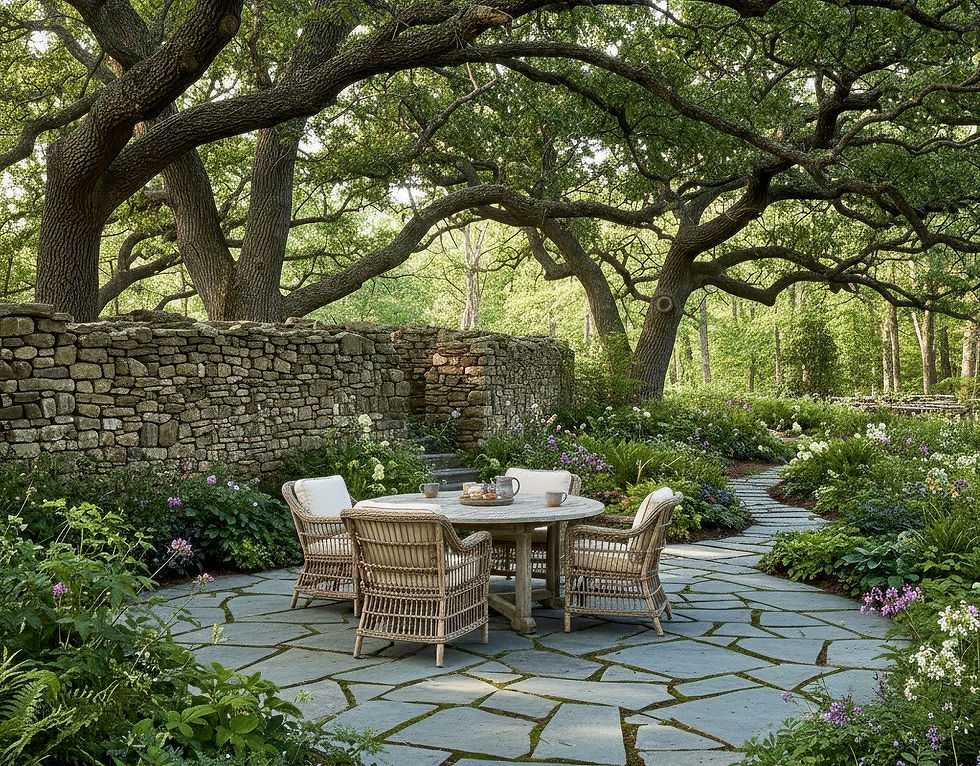
Shady favorites include hostas, columbine, and coral bells, to name a few. Hostas are often considered the ultimate hardy shade perennials, they come in a range of sizes from a few inches tall to giant four-foot clumps, with leaves in every shade of green and gold.
Hostas reliably return each year and easily withstand Utah’s cold winters. Columbine (Aquilegia) is another treasure for partial shade; it produces delicate, spurred blossoms in spring and attracts hummingbirds with its nectar-rich flowers.
For season-long color, coral bells (Heuchera) offer mounding foliage in burgundy, lime, or amber tones and send up airy flower spikes, making them excellent hardy perennials for adding texture in the shade.
Even shade gardens benefit from a little TLC. Ensure shade plants get moderate water, while they prefer cooler, less sunny conditions, they still need moisture (the soil under dense tree shade can be surprisingly dry in Utah).
Spreading a layer of mulch helps retain soil moisture and keep roots cool, giving your shade perennials a comfortable environment to grow. With the right hardy perennials, those once-dim areas can become lush, peaceful retreats filled with variegated leaves and pops of bloom.
Groundcover Champions: Carpeting Hardy Perennials
Groundcover perennials are the unsung heroes of the garden. These low-growing, spreading plants cover bare soil, suppress weeds, and unify your landscape with a lush carpet of foliage and flowers.
For beginner gardeners, groundcover hardy perennials are especially useful, they fill in quickly and come back every year, reducing open spaces that would otherwise need mulching or frequent weeding. Whether you need to dress up a rocky slope, edge a walkway, or fill gaps between larger plants, there’s a tough groundcover perennial for every spot (sun or shade).
Creeping Phlox (Phlox subulata): A sun-loving groundcover that forms dense mats of evergreen foliage. In spring, creeping phlox explodes into sheets of pink, purple, or white starry flowers. It’s hardy to cold climates and ideal for slopes or rock gardens, where it effortlessly blankets the ground in color.
Sedum (Stonecrop): Sedums are succulent-like hardy perennials that thrive on neglect. Low varieties of sedum create a carpet of plump leaves and summer blooms. They excel in poor, gravelly soil and are exceptionally drought-tolerant. Once planted, sedum groundcovers need almost no care and will spread gently to fill in sunny dry areas.
Sweet Woodruff (Galium odoratum): For a shady groundcover, sweet woodruff is a top pick. This petite perennial forms a fragrant green carpet and produces tiny white flowers in late spring. It tolerates dry shade conditions well, making it perfect under trees or in the shadow of larger shrubs. Sweet woodruff’s sweet scent and delicate look belie its toughness as a hardy perennial.
Groundcover perennials not only beautify difficult areas but also improve garden health. By blanketing the soil, they help retain moisture and prevent weeds, a big win for any low-maintenance garden. Try mixing groundcovers with taller plants for a layered look: for example, sedum or creeping thyme can fill between stepping stones, while taller perennials rise behind them.
As these ground-cover champions establish, you’ll enjoy a living mulch that returns every year, requiring only minimal trimming if they outgrow their space. It’s an easy, beginner-friendly way to achieve a full, lush garden bed.
Drought-Resistant All-Stars: Water-Wise Hardy Perennials
Utah County gardeners know that water is precious – and that summers can be hot and dry. Drought-resistant hardy perennials are a smart choice for creating a beautiful landscape that doesn’t need constant watering. These water-wise plants come from arid climates or have deep roots and other adaptations that let them thrive with infrequent irrigation.
They can handle Utah’s cold, snowy winters and intense dry summers, making them ideal for our environment. By planting drought-tolerant perennials, you’ll save water and still enjoy a garden full of color and life.
Russian Sage (Perovskia atriplicifolia): Technically a woody sub-shrub, Russian sage earns its place among hardy perennials for its extreme toughness. It thrives in full sun, laughs off drought, and needs very little water once established.
This plant’s tall airy spires of purple-blue flowers bloom from mid-summer to fall, attracting bees and butterflies. The silvery, aromatic foliage even helps repel pests and hungry deer.

English Lavender (Lavandula angustifolia): No drought-tolerant list is complete without lavender. Lavender loves well-drained soil and sunshine; in fact, it prefers relatively poor, dry conditions to soggy soil.
Once established, lavender needs only occasional watering, making it perfect for water-wise gardens. Enjoy its soothing fragrance (a bonus for fragrant plant lovers!) and spikes of purple blooms that draw pollinators while resisting pests.
Yarrow (Achillea spp.): Yarrow is a hardy perennial that seems to thrive on neglect. With ferny foliage and flat-topped clusters of flowers (yellow, pink, red or white), yarrow excels in poor, sandy or clay soil.
It’s highly drought tolerant, requiring little water and blooming reliably through summer. Yarrow’s tough nature also means it’s deer-resistant and rarely bothered by pests. Plant it in a sunny spot and enjoy its easygoing nature and long bloom season.
When designing a drought-tolerant garden, group these water-wise winners together and consider using gravel or bark mulch to reduce evaporation. Even the most drought-hardy perennials will need some regular water in their first season to establish strong roots. But after that, they’ll reward you by flourishing on minimal moisture.
Utah is even known as the “Penstemon capital of the world,” many native penstemons (beardtongues) are stunning hardy perennials that thrive in dry, high-altitude conditions while attracting hummingbirds with their tubular red or purple flowers. By prioritizing drought-resistant plants, you create a resilient landscape that stays beautiful through the toughest summer heat.
Long-Blooming & Season-Extending Perennials: Continuous Color
One secret to a stunning garden is having something in bloom from spring to fall. Some hardy perennials are all-stars when it comes to long bloom times, reblooming, or flowering late in the season when most plants have finished.
Planting a variety of these will ensure your garden has continuous color and interest, which is perfect for beginners who want big impact without constant replanting. From early spring blossoms to summer display to autumn hues, these perennials will keep the show going.
Early-to-mid summer brings out prolific bloomers like blanketflower and coneflower, which start flowering in late spring and just keep going. Blanketflower (Gaillardia) is a hardy native perennial with fiery red-and-yellow daisy-like blooms that bloom continuously from late spring through fall.
Similarly, coneflowers will pump out blooms for months on end, especially if you clip off old flowers to encourage new ones. These sun-loving hardy perennials not only provide long-lasting color, but also handle heat and drought, making them double-win choices for Utah gardens.
As you move toward late summer and fall, other perennials step up to extend the display. Sedum ‘Autumn Joy’ (and other stonecrops) form broccoli-like buds in summer that open into rosy-pink clusters in late August, just when many other plants are fading. These sedum blooms last well into fall and even look attractive dried on the plant into winter.
Hardy chrysanthemums (garden mums) and asters are classic fall-blooming perennials, plant them in spring or early summer so they establish, and they’ll burst into reds, purples, and golds come autumn.
For example, New England aster produces a flurry of purple flowers from August to October, adding fresh color late in the year. By including early-, mid-, and late-season bloomers, you ensure a rolling calendar of flowers. This means your garden always has something beautiful to show off, with hardy perennials carrying the color right up until frost.
Pollinator-Friendly Picks: Hardy Perennials for Bees, Butterflies & Hummingbirds
One of the joys of gardening is watching pollinators dance among your flowers. By choosing pollinator-friendly hardy perennials, you’ll not only have a gorgeous garden, but also a buzzing, fluttering habitat that supports bees, butterflies, and hummingbirds.

Beginner gardeners can easily attract these helpful creatures by planting nectar-rich flowers that bloom throughout the seasons. The best part?
Pollinator plants are often very hardy and easy to grow, since many are native or well-adapted species. A garden filled with these hardy perennials will be alive with activity.
Great pollinator perennials come in many shapes and sizes. Penstemon (Beardtongue), a favorite in Utah, bears spikes of tubular blooms that hummingbirds find irresistible. In fact, Utah boasts an abundance of native penstemon species, and their bright red or purple flowers are a magnet for hummingbirds and bees. Salvia (Perennial Sage) is another bee-loved plant; varieties like Meadow Sage produce spikes of purple, pink or red flowers that rebloom through summer.
For instance, Salvia greggii ‘Furman’s Red’ has scarlet tubular blossoms that attract hummingbirds and other pollinators, blooming from late spring well into summer. Butterfly weed (Asclepias tuberosa) is a bright orange milkweed that not only thrives in our climate but is crucial for monarch butterflies, a must-have for any butterfly garden. Of course, classics like purple coneflower and black-eyed Susan also provide ample nectar and pollen, drawing butterflies by day and even nourishing birds with seed heads in fall.
To create a pollinator paradise, plant a diverse mix of flower shapes and colors. Clusters of small flowers (like yarrow or agastache), flat landing pads (like sedums and daisies), and tube-shaped blooms (like penstemon and salvia) will attract different types of pollinators. Try to have something in bloom each part of the growing season so there’s always food available. Avoid using pesticides, especially when plants are flowering, to keep your garden safe for beneficial insects.
With these strategies, your hardy perennials will not only beautify your yard, but also support local bees, butterflies, and hummingbirds - turning your beginner garden into a thriving ecosystem.
Fragrant Favorites: Scented Hardy Perennials for the Senses
A truly enjoyable garden doesn’t just look good – it smells wonderful too. Planting fragrant hardy perennials is a fantastic way to add an extra dimension to your yard. Every gentle breeze can carry the aroma of flowers or foliage, creating a relaxing, inviting atmosphere.
For beginner gardeners, it’s nice to know you can have these delightful scents without extra fuss, since many fragrant plants are as tough and easy as they are pleasant. By incorporating a few aromatic perennials, you’ll be able to stop and smell the flowers every time you walk outside.
One of the most popular fragrant perennials is English Lavender. Lavender’s purple flower spikes are famous for their soothing scent, you can even dry them for sachets or oils. This hardy herb thrives in full sun and well-drained soil and actually prefers things on the dry side. Its aromatic foliage not only smells great to us but also helps repel pests, so it stays relatively unbothered in the garden.
For a spring fragrance, peonies are unparalleled. Hardy to Zone 3, peony plants burst into huge, sweetly perfumed blooms in late spring. They come back reliably each year (peony clumps can live for decades) and require little more than sunshine and occasional feeding. Plant a peony near your front door or patio to enjoy the nostalgic floral fragrance every spring.
Another charming scented perennial is catmint (Nepeta) - a close relative of garden mint that has soft gray-green leaves and long spikes of lavender-blue flowers. When you brush against catmint’s foliage, it releases a minty aroma. It’s a hardy perennial that blooms for a long time, attracting bees and requiring almost no care beyond a midsummer trim to encourage rebloom.
When adding fragrant plants, think about positioning: place them where you’ll brush past them or sit nearby, along pathways, by deck chairs, or near windows. Consider seasonality too. For example, plant dianthus (also called “pinks”) for their clove-scented flowers in early summer, and hyacinth bulbs for incredible fragrance in spring (bulbs are hardy like perennials).
By mixing these in with your other hardy perennials, you ensure that as one scent fades, another will take over. A fragrant garden is both beautiful and comforting, and with tough perennials carrying the fragrance, it’s one you can enjoy year after year with minimal effort.
Deer-Resistant Picks: Hardy Perennials They Won’t Eat (Usually!)
If you live near open space or foothills in Utah County, you might be sharing your neighborhood with deer. Deer can quickly turn a garden into a salad bar, so it’s wise to choose deer-resistant hardy perennials if these animals are common visitors. While no plant is entirely deer-proof (a very hungry deer will nibble almost anything in desperation), many perennials are unappetizing to deer.
Often, these plants have characteristics deer dislike – such as strong aromas, fuzzy or spiky leaves, or toxic compounds. By incorporating such deer-resistant varieties, beginner gardeners can avoid heartbreak and enjoy a beautiful garden that largely stays intact.
Excellent deer-resistant perennials include some we’ve already met. Lavender, with its potent fragrance and oils, is typically avoided by deer (they tend to find the smell overwhelming). Yarrow is another: its foliage has a bitter, herbal taste and a feathery texture that deer usually leave alone.
A dramatic deer-resistant flower is Foxglove (Digitalis) - tall spikes of bell-shaped blooms that add cottage-garden charm. Foxgloves contain natural toxins that make them distasteful (and poisonous) to deer and rabbits, so animals instinctively steer clear. Just be cautious if you have pets or young children, as foxglove should not be ingested.
Many other hardy perennials fit this category: Russian sage, catmint, lamb’s ear, hellebores, and many ornamental salvias are seldom bothered by deer due to their scent, texture, or toxicity. Local experts like Glover Nursery even maintain an extensive list of 66 deer-resistant plants for Utah, and it’s full of familiar perennial names from achillea (yarrow) to nepeta (catmint) and lavender.
Remember that deer resistance is relative. Young plants that are freshly planted can be more vulnerable, deer are curious nibblers, so consider protecting new additions with temporary fencing or repellents until they establish. Also, in harsh winters deer might sample even “resistant” plants if food is scarce.
However, by choosing predominantly deer-resistant hardy perennials, you greatly increase your odds of a garden that stays safe. You’ll be able to enjoy your flowers instead of waking up to stems and hoof-prints!
Low-Maintenance Must-Haves: Easy-Care Hardy Perennials
If you’re a beginner (or just a busy gardener), low-maintenance plants are your best friends. The good news is that many hardy perennials are very easy to grow and require minimal upkeep throughout the year.
These are the plants that thrive with basic care, regular watering and perhaps an annual prune or divide, and otherwise handle themselves. By starting with some low-maintenance hardy perennials, you set yourself up for gardening success without the stress.
One shining example is the daylily. Daylilies are so rugged and forgiving that they’re often called the “perfect perennial” in Utah and beyond. They don’t mind poor soil, are very drought and heat tolerant, and will bloom reliably for years with almost no effort (the occasional trimming of spent stalks is all they need).
Another easy-care champion is sedum (stonecrop). We mentioned sedums as groundcovers and long-bloomers, they also happen to be nearly bulletproof plants. Sedum thrives in poor soil and needs no fertilizing; pests and diseases rarely bother it. In fact, sedums are so low-fuss that they’re often recommended for xeriscapes and beginner gardens because they require almost no maintenance to look great.
For continuous color with little work, consider coreopsis (tickseed) or catmint (Nepeta). Coreopsis is a sunny yellow or pink bloomer that flowers prolifically through summer (it will even keep going into fall if you deadhead occasionally). It’s adaptable to many soils and quite drought tolerant. Catmint, on the other hand, produces waves of purple-blue flowers in late spring and often reblooms after a mid-season trim. It’s highly drought tolerant, pest-resistant (cats might visit it, but deer won’t!), and comes back bigger each year.

Other low-maintenance hardy perennials include black-eyed Susans, lamb’s ear, ornamental grasses, and coneflowers, all plants that don’t ask for coddling.
By populating your garden with these resilient varieties, you’ll spend more time enjoying the blooms and less time on chores.
Even “easy” perennials appreciate a little love: an annual application of compost or slow-release fertilizer and an occasional weeding session will keep them at their best. Some, like daylilies or coreopsis, might benefit from being divided every few years to promote vigorous growth and flowering.
But overall, these low-maintenance must-haves will reward you generously for very little effort. They’re a confidence boost for new gardeners and a backbone for any low-effort landscape.
Ornamental Grasses & Grass-Like Perennials: Texture, Movement, and Year-Round Interest
Flowers are wonderful, but don’t overlook ornamental grasses and grass-like perennials for your garden. These plants add a completely different texture and bring graceful movement as they sway in the breeze. Most ornamental grasses are extremely hardy perennials - built to withstand wind, drought, and cold - making them ideal for Utah County yards.
They often turn golden or bronze in autumn and can provide winter interest if left standing, giving structure to an otherwise dormant garden. For beginners, grasses are practically maintenance-free: just cut them back once a year in late winter, and watch them grow anew in spring.
A favorite ornamental grass is Feather Reed Grass (‘Karl Foerster’). This tall, upright grass forms neat clumps and sends up feathery plumes in early summer. The plumes start purplish and fade to a wheat color, staying attractive all the way through winter. Karl Foerster is hardy to zone 4 and very low-maintenance – it doesn’t self-spread aggressively, so it stays where you plant it. For a cooler splash of color, try Blue Oat Grass.
This grass grows in a fountain-like mound of steely blue blades about 1–2 feet high. Blue oat grass is similar to the smaller blue fescue but handles heat and drought even better, all while maintaining its blue hue in the summer. It’s a great choice for edging or in rock gardens.
Blue Fescue, the petite cousin, forms softball-sized tufts of blue-gray foliage that make excellent border plants or groundcover accents. And don’t forget native switchgrass (Panicum) – a taller (3–4 feet) grass that turns burgundy in fall and has airy seed heads that catch the light. It’s hardy and thrives in clay or loam, providing food for birds with its seeds.
Incorporating a few ornamental grasses among your flowers can really elevate your garden design. Their fine textures contrast nicely with broad-leaved perennials like daylilies or peonies. Plus, grasses provide a sense of movement and a rustling sound on breezy days, an extra sensory experience.
Most grasses prefer full sun and are drought-tolerant, fitting perfectly into water-wise landscapes. Come late winter, simply trim the dead foliage to a few inches tall (or even leave cool-season grasses like blue fescue alone if they still look good). New growth will quickly replace the old. These grass-like perennials are as tough and hardy as they are elegant, giving you year-round appeal with almost no upkeep.

For example, early spring bloomers (like columbine, creeping phlox, peony) could be shown in a spring section, followed by summer stalwarts (daylilies, coneflowers, lavender) in the middle, and fall bloomers (asters, mums, sedums) in the late season. Color-coded bars or a timeline could indicate the months of bloom for each plant.
This visual guide would make it easy to plan a garden that has continuous color, at a glance, you can see how to mix and match hardy perennials so that as one finishes, another is starting. An infographic like this is both practical and inspiring, giving a clear roadmap for a year-round flowering perennial garden.
Your Beautiful, Resilient Garden Awaits
By now, you’ve seen that creating a thriving garden in Utah County is absolutely achievable (even for beginners) when you choose the right hardy perennials. From sunny beds filled with coneflowers and daylilies to shady nooks accented by hostas and coral bells, there’s a perennial for every spot and purpose. These plants are easy, beautiful, and tough enough to handle our climate, delivering color and interest year after year with minimal work.
By planting a mix of the categories above , sun-lovers, groundcovers, pollinator magnets, fragrant favorites, and more, you’ll enjoy a diverse landscape that practically takes care of itself. Gardening will be less about struggling to keep plants alive and more about watching your yard flourish through the seasons.
Ready to take the next step and transform your outdoor space? Contact Sable Hills Landscaping today for expert help in planning and planting your perennial garden. We specialize in Utah County landscapes and can recommend the best hardy perennials for your specific site, soil, and style.
Whether you need a full landscape design or just a hand with installation and maintenance, our professional team is here to make it easy. Let us help you create a beautiful, low-maintenance yard filled with easy-care hardy perennials that will delight you for years to come. Get in touch for a free consultation, and watch your dream garden take root!

Comments