
What Are the Best Plants Resistant to Drought? Expert Picks

Utah County’s Dry Climate: Why Choose Plants Resistant to Drought
Utah County is known for hot, dry summers and limited rainfall. In fact, the county receives only about 17 inches of rain per year, which is much less than the U.S. average.
Droughts are common here, as of 2025, over 77% of Utah was experiencing drought conditions. This arid climate means using plants resistant to drought isn’t just a gardening trend, but a smart necessity for local homeowners.
Planting plants resistant to drought helps your garden thrive despite water restrictions or dry spells. These hardy species survive on minimal watering and can handle Utah’s intense sun and high elevation.
Even with poor or rocky soil, the right drought-tolerant plants will put down deep roots and flourish where thirstier plants would struggle. The bottom line: in Utah County’s climate, choosing water-wise plants is the key to a lush, beautiful yard that won’t wither when rain is scarce.
The great news is that a drought-resistant landscape can still be gorgeous and colorful. There are plenty of flowering perennials, vibrant shrubs, and even lush trees that love our dry conditions. By selecting the best plants resistant to drought for Utah County and planting them in your yard, you can conserve water and enjoy a thriving garden at the same time.
In the sections below, we’ll share expert picks and tips to help you create a stunning, water-wise landscape perfectly suited to our local climate.
Saving Water and Other Benefits of Drought-Resistant Landscaping
Landscaping with plants resistant to drought offers huge benefits, starting with water savings. By swapping thirsty grass or delicate flowers for water-wise species, you can dramatically cut your outdoor water use. Using drought-tolerant plants “drastically reduces your water consumption” - a critical factor in our drought-prone state.
Lower water bills and fewer sprinkler run-times will be a welcome change for any Utah County homeowner. Another perk of drought-resistant landscaping is how low-maintenance it can be. Plants adapted to dry climates typically don’t need constant pampering. They can thrive in poor soils and withstand heat without daily care, making them ideal for busy homeowners.

Once established, many of these plants survive on rainfall alone and require infrequent pruning or fertilizing. In other words, a yard full of plants resistant to drought means less time working and more time enjoying your outdoor space.
Finally, water-wise gardens are environmentally friendly and wildlife-friendly. Native and drought-tolerant plants support local pollinators like bees, butterflies, and hummingbirds by providing food and habitat. You’ll also prevent runoff and erosion by having hardy plants cover the soil year-round.
And of course, every gallon of water saved in your yard is a gallon conserved for Utah’s rivers and reservoirs. By choosing a drought-resistant landscape, you’re not only beautifying your home but also doing your part to live sustainably in our high-desert environment.
Designing a Water-Wise Garden in Utah County
Creating a beautiful landscape with plants resistant to drought starts with smart design and planning. Landscape experts often recommend a concept called xeriscaping, which means designing with water conservation in mind. Start by planning your yard in zones based on water needs.
Place thirstier plants (if you have any) in one area and truly drought-tough plants in another, so you can water each zone appropriately. Thoughtful layout ensures you won’t waste water on plants that don’t need it.
A key design tip is to group plants with similar water requirements together. This practice, known as hydrozoning, makes irrigation much more efficient. For example, cluster your cacti and lavender (which love it dry) in one section, and keep any water-loving roses or vegetables in another spot.
By arranging plants resistant to drought in the same areas, you can give them deep, infrequent watering and avoid overwatering anything nearby. This targeted approach keeps all your plants healthy and avoids wasting moisture in the soil.
Don’t forget about the soil and ground treatment in your water-wise design. Many Utah County soils are sandy or clayey and highly alkaline, so improving soil structure can help your drought-tolerant plants root deeply. Work some compost or organic matter into planting areas to enhance water retention in sandy spots and drainage in clay spots.
Once your plants resistant to drought are in the ground, add a layer of mulch around them. Mulch is a secret weapon in dry climates, it minimizes evaporation and shields roots from Utah’s intense heat.
With good soil prep, smart grouping, and mulch, your landscape will be set up for success before you even turn on the drip irrigation.
Shade and Shelter: Drought-Resistant Trees
When you think of plants resistant to drought, don’t overlook trees! Plenty of trees can thrive in Utah County’s dry conditions while providing shade and beauty. One great example is the Honeylocust - a tough deciduous tree with filtered shade that tolerates our alkaline soils and hot summers.

Another favorite is the Kentucky coffeetree, which grows well in poor soil and needs little water once established. These kinds of trees not only survive on minimal moisture but also help cool your yard, reducing evaporation from soil and plants beneath them.
Native trees are some of the best choices for a water-wise Utah landscape. Species like Utah juniper and Gambel oak evolved in our climate and are naturally adapted to minimal rainfall and alkaline soils..
Utah juniper is an evergreen conifer that dots our foothills, it stays green year-round with almost no extra watering. Gambel oak is a small, shrubby oak tree native to local canyons; it can handle drought and cold, providing beautiful fall color and acorns for wildlife. Both of these natives are truly plants resistant to drought and make wonderful additions to residential yards looking for a native touch.
Don’t forget ornamental and fruit trees that can handle dry conditions too. Hardy species like the Ponderosa pine or Austrian pine are evergreens that once established need very little supplemental water. Ornamental trees such as the Russian olive (be careful, it can be invasive) or Autumn blaze maple can also tolerate low water if given a good start.
Even certain fruit trees like some peach or pear varieties can do well in Utah County with moderate watering and then lean irrigation later on. By choosing these drought-hardy trees, you’ll get summer shade, seasonal interest, and structure in your garden without the high water demands.
Colorful and Tough: Drought-Resistant Shrubs
Shrubs bring color, texture, and structure to your landscape, and many can do it with very little water. One standout is the Utah Serviceberry, a native shrub that offers something for every season. In spring it blooms with white flowers, in summer it produces edible berries, and in fall the leaves turn orange-red.
This hardy shrub thrives in our native climate and is a drought-resistant solution for visual interest year-round. Plant serviceberry as a focal point or in a wildlife-friendly hedge; it will survive on rainfall once established and attract birds with its berries.
For bright blooms in tough conditions, consider native desert shrubs like Cliffrose and Rabbitbrush. Cliffrose (Purshia mexicana) has creamy white, sweet-scented flowers in late spring and thrives in rocky, dry soil, it can even grow at high elevations with barely any water. This makes cliffrose one of the best shrubs for Utah’s climate, perfuming your yard while needing virtually no irrigation.
Rabbitbrush (Chrysothamnus nauseosus) is another Utah native, known for its feathery silver-green foliage and clusters of golden-yellow flowers in late summer. It’s extremely drought-tolerant, adding a burst of color to your yard when other plants might be wilting. Both shrubs are true plants resistant to drought that will happily bloom under the hot summer sun with minimal care.
Evergreen shrubs can also be water-wise choices, providing year-round greenery without a heavy water bill. Juniper is a prime example, these hardy evergreens come in many forms (groundcover, shrub, or small tree) and once established can get by with rainfall alone.
In fact, young juniper shrubs just need a bit of water their first couple of years, and after that they’re fine with natural precipitation. Another excellent evergreen is the Greenleaf Manzanita (Arctostaphylos patula), a glossy-leaved native shrub.
Manzanita is not only cold-hardy for northern Utah, but drought-tolerant – it withstands long, hot summers with rare rainfall. Use junipers for structure or hedging, and manzanita for groundcover or slopes; both will stay attractive through the seasons and exemplify what plants resistant to drought can do in a Utah County landscape.
Blooms That Beat the Heat: Drought-Resistant Flowers and Perennials
A water-wise garden in Utah County can still be full of colorful flowers. Many perennials and bedding plants thrive in dry conditions and bring months of blooms.
Penstemon (Beardtongue) is one local favorite, this wildflower produces tubular red, purple, or pink blossoms that hummingbirds adore. Penstemons are native to our region and love dry soil, so they are quintessential plants resistant to drought.

Another cheerful bloomer is the Blanket Flower (Gaillardia), which bursts with red and yellow daisy-like flowers all summer.
It’s a true sun-lover that “blooms prolifically with little water or care”, making it ideal for Utah xeriscapes.
Combine penstemon and blanket flower for a vibrant, pollinator-friendly display that won’t need heavy watering.
For purples and blues in your drought-tolerant flower palette, try Russian Sage and Lavender. Russian Sage (Perovskia) is a staple of low-water gardens, with its silvery foliage and spikes of lavender-blue flowers. It flourishes even in poor soil, thriving in full sun and attracting bees and butterflies to your yard. Lavender is another beloved drought-hardy plant, this aromatic herb loves hot, dry conditions.
In Utah’s climate, lavender “thrives in dry, sunny spots and poor soil,” rewarding you with fragrant purple blooms. Plant it along pathways or borders where you can enjoy its scent. Both Russian sage and lavender are classic plants resistant to drought that add a Mediterranean charm to our high desert gardens.
Don’t forget other hardy perennials that can handle the heat. Yarrow is a tough, ferny-leaved perennial that produces flat clusters of white, yellow, or red flowers. It “thrives in sun and lean soil, ideal for Utah’s drought-prone areas." Purple Coneflower (Echinacea) and Black-Eyed Susan (Rudbeckia) are prairie natives that do well here too, offering bold pink or yellow blooms through summer with minimal watering.
Even succulents like certain Sedums (Stonecrops) are great for color, sedums have thick leaves that store water, and they handle Utah’s dry summers with ease, often sporting pink or yellow flowers late in the season. By mixing these drought-resistant perennials, you’ll ensure your garden stays lively and bright without daily irrigation.
Ornamental Grasses and Groundcovers Resistant to Drought
Beyond shrubs and flowers, consider ornamental grasses and groundcovers as plants resistant to drought that can fill in your landscape. Ornamental grasses add movement and texture to a yard, and many are very water-wise.
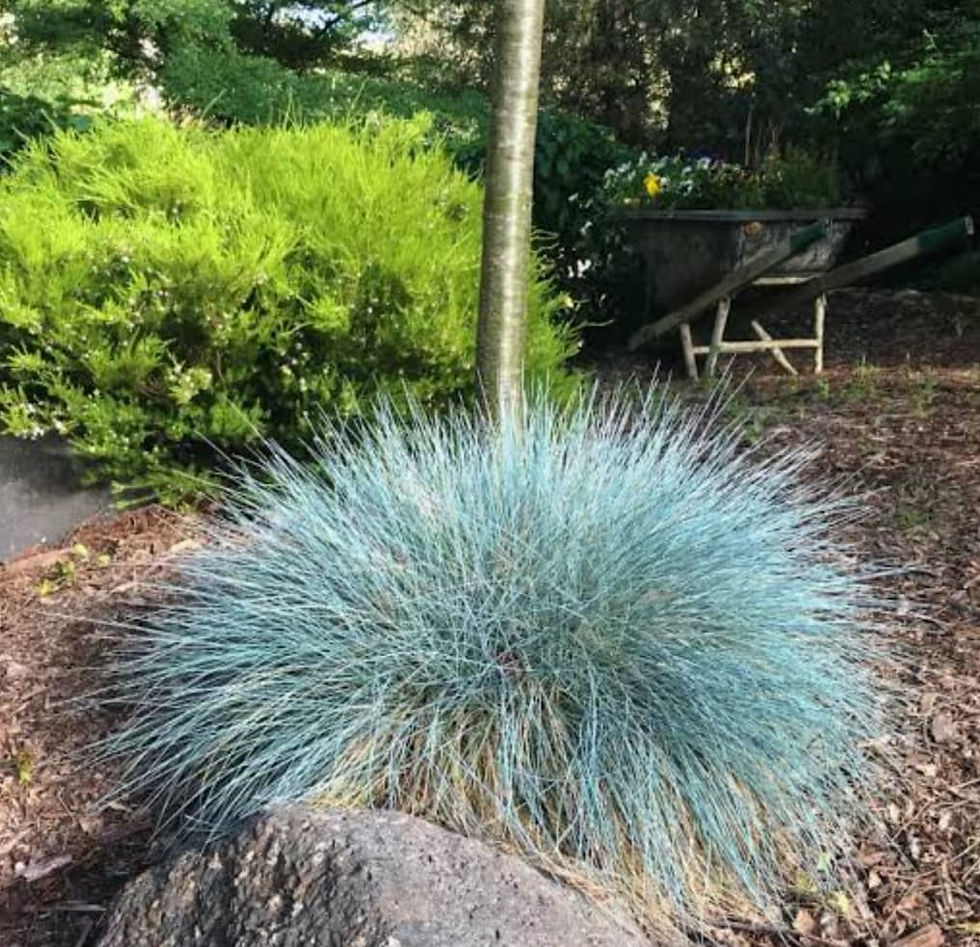
Blue Fescue is a popular choice, this small clumping grass has attractive blue-gray blades and “requires very little water to thrive.” Plant blue fescue in borders or among rocks; it will survive on little more than sunshine.
Other grasses like Feather Reed Grass (Calamagrostis) or Indian Ricegrass (a Utah native) also cope well with dry conditions once established, creating graceful plumes that sway in the breeze. These grasses not only look beautiful but also have deep roots that help them find moisture during droughts.
For groundcovers, there are plenty of drought-tolerant options to carpet your garden and reduce evaporation from the soil. Creeping Thyme is an aromatic herb that forms a low mat and blooms with tiny purple flowers, perfect between flagstones or at the front of a dry border. It needs very little water and tolerates foot traffic, making it as practical as it is pretty.
Succulent groundcovers like Ice Plant and Hens-and-Chicks (Sempervivum) are also excellent. Ice Plant creates a carpet of fleshy leaves and neon-pink or yellow daisy-like flowers; it is “especially suited to hot, dry locations” and is a “low-maintenance favorite” for Utah gardeners.
Hens-and-Chicks are rosette-forming succulents that survive freezing winters and blazing summers by storing water in their leaves, truly exemplifying plants resistant to drought. Use these groundcovers on slopes, in rock gardens, or to edge pathways, and they will help keep the soil cool and moist while adding year-round interest.
Incorporating drought-tolerant grasses and groundcovers also helps with weed suppression and erosion control. Once they fill in, there’s less bare soil exposed to the sun, which means lower water loss. Plus, these plants often have extensive root systems that hold the soil and improve its structure.
Whether it’s the soft blue tufts of blue fescue or a patch of blooming ice plant, these often-overlooked heroes of xeriscaping will make your Utah County yard both functional and attractive, all while sipping minimal water.
Go Native: Utah Plants Resistant to Drought
One of the best strategies for a successful low-water landscape is to choose native plants resistant to drought. Native Utah plants have spent thousands of years adapting to our local climate, soils, and precipitation levels.
They tend to establish quickly and survive on what nature provides, because that’s what they’re built for. By planting natives, you’ll not only save water but also create a landscape that feels “at home” in the Utah environment and supports local wildlife.
There are native options in every category of plant. We’ve already mentioned a few: Utah serviceberry, Gambel oak, Utah juniper, rabbitbrush, penstemon, and cliffrose are all indigenous to our region and thrive with little care. These plants evolved to handle long-term drought and low precipitation, so they won’t flinch when a hot, dry summer hits.
Native flowers like Blue Flax, Sego Lily, or Blanketflower will bloom reliably in our soils.
Native shrubs and trees often have deep root systems to tap groundwater and waxy or small leaves to reduce moisture loss.
In short, Utah natives are all-star plants resistant to drought by nature’s design.
Using native plants doesn’t mean your garden will look wild or untamed – many of these species are quite ornamental.
For example, Wasatch Penstemon has gorgeous deep blue flowers, and Apache Plume (a native shrub) offers delicate white blooms and fluffy seed heads that are very attractive. When you incorporate natives, you’ll also notice more birds and butterflies visiting. Native plants provide familiar food and shelter to local fauna, making your yard a mini nature preserve.
While you can certainly mix in well-adapted non-natives (like lavender or Russian sage from other dry regions), leaning into Utah’s native plant palette will give you a resilient landscape deeply suited to our climate and soil. It’s a recipe for a flourishing, low-water garden that truly belongs in Utah County.
Caring for Your Drought-Resistant Garden
One common misconception is that once you plant a drought-resistant landscape, you can just ignore it completely. It’s true that a well-chosen selection of plants resistant to drought will need far less attention than a traditional lawn or a thirsty flower bed.
However, a little smart maintenance will go a long way to keep your water-wise garden thriving. The most important time to tend and water your drought-tolerant plants is during their establishment phase. New plants (even the toughest natives) need regular watering until their roots spread out into the soil.
For instance, young shrubs like junipers should be watered during dry spells when they're getting started, after about two years, they can typically “make do with the rainfall” alone. So, plan to water deeply and infrequently for the first season or two; this trains roots to grow down in search of moisture, making the plant even more self-sufficient later.
Using efficient irrigation methods will ensure your plants resistant to drought get the moisture they need without waste. Drip irrigation or soaker hoses are ideal, as they deliver water right to the root zones and minimize evaporation. You can set them on a timer to water in the early morning, which is best for reducing water loss and preventing fungal issues.
Also, periodically check your soil moisture a few inches down; even tough plants appreciate a deep drink during extended hot, dry periods or heatwaves. The good news is you’ll be watering far less often than a traditional garden, perhaps once every 1–2 weeks for many established drought-tolerant plants, depending on weather and soil.
Beyond watering, maintenance is pretty straightforward. Keep an eye out for weeds, especially while your drought-resistant groundcovers and perennials are filling in. Weeds compete for water, so pulling them out ensures all available moisture benefits your chosen plants.
Refresh your mulch annually to continue suppressing weeds and retaining soil moisture. Prune shrubs and perennials lightly as needed, usually just to remove dead growth or shape the plant – heavy pruning is rarely required for slow-growing native shrubs. And remember, avoid overwatering or over-fertilizing; too much love can harm these adapted plants.
They prefer lean soil and dry feet. With this easy maintenance routine, your water-wise Utah County garden will basically take care of itself, staying healthy, colorful, and drought-resilient for years to come.
A Beautiful, Water-Wise Yard in Utah County
Designing a garden with plants resistant to drought means you can enjoy a vibrant outdoor space even under strict water restrictions or scorching summer heat. By combining native trees and shrubs, colorful drought-tolerant perennials, and water-wise groundcovers, you’ll create a landscape that saves water, requires less work, and remains beautiful through the seasons.
Utah County’s climate may be dry, but with the expert picks we’ve discussed, your yard can absolutely flourish without daily watering. The result is a win-win: you get a stunning garden sanctuary and peace of mind knowing it’s sustainable in our arid environment.
Are you feeling inspired to transform your own yard into a water-wise oasis? From planning a smart layout to selecting the right plants resistant to drought, a little expertise can go a long way in getting the best results.
Imagine a landscape filled with Utah-native blooms, shade from hardy trees, and attractive foliage that doesn’t wilt in the sun. It’s all achievable with the proper plant choices and design, and the payoff will be a beautiful garden that stands up to drought and saves you time and resources.
If you’re ready to create a gorgeous, low-water landscape at home, we’re here to help. Contact Sable Hills Landscaping today to get started on your drought-resistant garden transformation. Our friendly team of experts knows Utah County’s climate and soil, and we specialize in crafting residential landscapes that are as water-efficient as they are eye-catching.
Let us help you pick the perfect plants resistant to drought and design a yard that stays green and blooming with minimal water. Take the first step toward a stunning, sustainable landscape – reach out to Sable Hills Landscaping for your water-wise garden project, and watch your Utah County home flourish like never before!

Comments