
Shade Hardy Perennials That Thrive in Cold Climate
- Jan 6
- 20 min read

Introduction to Cold Climate / Shade Hardy Perennials That Thrive in Cold Climate
Gardening in a cold climate doesn’t mean you’re limited to barren, empty shade gardens. In regions like Utah County (USDA hardiness Zones 5–6), winter temperatures can plummet as low as –20°F, yet there are many shade hardy perennials that not only survive these freezes but come back year after year.
These resilient plants can brighten up those dim corners of your yard with lush foliage and seasonal blooms, proving that even a shady spot in a frosty climate can host vibrant life. In fact, shade hardy perennials are a secret weapon for cold-climate gardeners looking to add color and texture beneath trees or on the north side of buildings.
Choosing the right plants is key. Some shade hardy perennials practically take care of themselves once established, making them perfect for low-maintenance landscaping. Others might need a bit of extra TLC, perhaps more regular watering or a layer of mulch before winter, to truly thrive.
In this article, we’ll explore a mix of both easy-care and moderate-care shade lovers that can handle Utah’s chilly winters. From tough groundcovers to delicate bloomers, you’ll discover a range of perennials suited for shady areas that won’t wither when the cold comes.
By understanding which perennials are suited for low light and cold weather, you can transform tricky shady spots into highlights of your landscape. We’ll highlight ten reliable options, each with tips on care level and growing conditions.
Whether you’re a DIY gardener or plan to get professional help, these shade hardy perennials will inspire you to create a lush, colorful oasis - even in the shadiest, frostiest parts of your yard.
Hostas: Reliable Foliage Powerhouse
Hostas (plantain lilies) are iconic shade hardy perennials known for their lush, broad leaves and incredible hardiness. Few other plants provide as much color and interest in shady areas year after year as hostas do. These leafy perennials come in countless varieties, ranging from petite 6-inch dwarfs to massive 5-foot clumps, with foliage in shades of green, blue-gray, and striking variegations.

In summer, many hostas send up tall stalks of lavender or white flowers that attract hummingbirds. Despite their tropical-looking foliage, hostas are cold-hardy down to at least Zone 3, so they easily handle Utah County winters. This makes them one of the most dependable shade hardy perennials for any cold-climate shade garden.
One reason hostas are so popular is that they’re wonderfully low-maintenance. These shade hardy perennials thrive in rich, well-drained soil with moderate moisture, but they’re forgiving if you miss a watering or two.
In a shaded spot, they generally require minimal care: just keep an eye out for slugs or snails, which love hosta leaves (and consider organic deterrents if these pests become an issue).
Hostas are perennials that will return bigger and better each year with very little fuss. Every few years, you can divide large clumps in early spring to propagate new plants or rejuvenate growth, but even this is an optional task. They truly epitomize the term “plant it and forget it” when it comes to low-maintenance shade hardy perennials.
In the landscape, hostas are incredibly versatile. Use them as a groundcover in the shadows of taller plants, as an elegant border along a shady pathway, or as a focal point in a woodland garden bed. Their mounding form and bold leaves provide beautiful contrast to finer-textured plants like ferns or astilbes. Many gardeners mix different hosta varieties together to create a tapestry of foliage colors and sizes in a shade garden.
If deer are common in your area, be aware that hostas can be a favored snack; planting near the house or using repellents may help. Overall, if you’re aiming to add reliable beauty under trees or in the north side of your home, hostas are a must-have among shade hardy perennials that thrive in cold climates.
Astilbe: Colorful Blooms for Shady, Cold Gardens
Astilbe brings a welcome splash of color and texture to any shady spot, and it’s another favorite among shade hardy perennials suited for cold climates. These plants produce elegant plumes of feathery flowers in pink, red, white, or purple that rise above fern-like foliage in early to mid-summer. What makes astilbe special is its ability to bloom well in shade, a trait that’s rare and precious for cold-climate perennials.
In fact, astilbe is often touted as a rare treasure: a perennial that not only tolerates low light but also thrives in frigid conditions. Most astilbe varieties are hardy in Zones 3–8, easily withstanding Utah’s zone 5–6 winters. When planted in the right spot, these shade hardy perennials will reward you with a reliable display of blooms year after year.

Caring for astilbe requires a bit more attention compared to tougher drought-tolerant perennials, but it’s still straightforward. This is a moderate-care shade hardy perennial in that it loves consistent moisture. Astilbe does best in rich, humus-like soil that stays evenly damp (but not waterlogged).
In Utah’s dry summer climate, you’ll want to irrigate astilbe regularly or use a thick layer of mulch to keep the soil cool and moist. Given the intense sun at high elevations, always site astilbe in full shade or at least afternoon shade, too much heat or sun can scorch its delicate foliage. With adequate water and shade, astilbe will flourish and even tolerate soggy soils better than many other plants.
It generally doesn’t have major pest issues, and you can trim off spent flower plumes if you like (though leaving them can add winter interest). Aside from watering, these shade hardy perennials don’t demand much else, making them manageable for gardeners willing to provide a drink now and then.
In design, astilbe’s vibrant plumes are perfect for brightening up dark corners. Plant them in clusters or drifts for a dramatic effect - a mass of pink or white astilbe under the dappled light of trees is a stunning sight. They pair beautifully with other shade lovers: try them alongside hostas (the bold hosta leaves make astilbe’s feathery flowers pop), or intermixed with ferns and coral bells for a tapestry of textures.
Astilbe also works well near water features or in rain gardens, since it appreciates the extra moisture. As cut flowers, astilbe blooms can be brought indoors for arrangements, where they add a soft, feathery touch. By incorporating astilbe into your shade landscape, you get both foliar texture and bursts of color, a winning combination from one of the most charming shade hardy perennials for cold regions.
Coral Bells (Heuchera): Foliage Color in the Shade
If you’re looking to add season-long color to a shady garden bed, coral bells (Heuchera) are an excellent choice among shade hardy perennials. These perennials are prized not for massive blooms (though they do send up dainty bell-shaped flowers on tall stems), but for their vibrant, eye-catching foliage.
Coral bells come in a rainbow of leaf colors, from deep purple, bronze, and nearly black to bright lime green, peach, and variegated silver tones. This makes them invaluable for livening up shady areas where flowers might be sparse.
Even better, Heuchera are seriously tough plants despite their fancy looks. Most varieties are perfectly happy in USDA Zones 3–8 and can thrive in anything from full shade to partial sun, so they handle Utah County’s cold winters with ease. In other words, coral bells are dependable shade hardy perennials that will bring reliable color and texture to those challenging spots in your yard.
When it comes to maintenance, coral bells are relatively low-care shade hardy perennials. They prefer well-drained soil, so ensure there’s some compost or organic matter worked in, as good drainage will prevent root rot, especially over winter. These plants don’t like to stay too wet, but they do appreciate consistent moisture, so aim for a happy medium (damp, not waterlogged).
In Utah’s climate, a bit of afternoon shade is ideal to prevent leaf scorch on the brighter-colored varieties, and mulch can help keep roots cool. Coral bells are evergreen or semi-evergreen in many areas; in a zone 5–6 winter, the leaves may flatten or get a bit tattered in the cold, but you can trim away any winter-worn foliage in early spring to make way for fresh growth.
One thing to note: Heuchera can gradually heave out of the ground over time due to freeze-thaw cycles (their woody crown might push upward). If you notice your plant’s crown exposed, just dig it up in spring and replant it a little deeper, a quick fix to keep it happy.
Other than that, these shade hardy perennials don’t ask for much. Pests are rare (deer generally leave the bitter foliage alone, and most bugs aren’t an issue), and you might divide clumps every few years if they get overcrowded.
Design-wise, coral bells are incredibly versatile in the landscape. Use them as a colorful groundcover or front-of-border plant in shaded garden beds. The low mounding habit of Heuchera (typically 8–12 inches tall with a wider spread) makes them perfect for edging pathways or filling in around larger shrubs and perennials.
They also do wonderfully in containers, where you can admire their foliage up close; try mixing a purple-leaved coral bell with golden hostas and maybe some trailing ivy in a shady patio pot for a striking combo. In spring to early summer, coral bells send up wiry flower stalks with tiny white, pink, or red bell flowers; hummingbirds and pollinators enjoy these, though the blooms are more of a bonus feature.
Many gardeners actually choose to clip off the flowers to keep the focus on the foliage. Whether you let them bloom or not, coral bells will deliver constant visual interest. With minimal effort on your part, these shade hardy perennials will keep your garden colorful through the growing season.
Hellebore: Early-Blooming Lenten Rose
Hellebores (commonly called Lenten roses) are enchanting shade hardy perennials that thrive in cold climates and bloom when few other plants dare to. These perennials are famous for their late winter to early spring flowers, often appearing while snow is still on the ground.
Picture nodding blooms in shades of white, pink, purple, even chartreuse, peeking up in February or March, that’s the magic of hellebores. Despite their delicate, rose-like blossoms, hellebores are tough evergreens that laugh off the cold.
Most hybrids are hardy from about Zone 5 through 9, and some types can survive even Zone 4 with a bit of extra protection. This means they’re well-suited for Utah County’s winters. They prefer partial to full shade, making them perfect for a sheltered spot under deciduous trees or on the north side of your home. These shade hardy perennials are long-lived, too, a happy hellebore clump can live and bloom for decades, gradually expanding to form an impressive display.
In terms of care, hellebores are relatively low-maintenance shade hardy perennials. They do best in rich, well-draining soil with plenty of organic matter. While they appreciate moisture (especially in spring when actively growing), they don’t like to sit in soggy soil, so good drainage is key to prevent root rot.

One of the great things about hellebores is that they’re fairly drought-tolerant once established, a big plus for areas like Utah that have dry summers.
You might water them during prolonged hot spells, but in a shaded location with mulch, they often manage fine. Hellebore leaves are leathery and evergreen; by the end of winter, last year’s foliage can look a bit tired or scorched.
A common practice is to trim off the old, ratty leaves in late winter just as the flower buds emerge, this makes the new blooms more visible and encourages fresh foliage.
Aside from that annual cleanup, hellebores don’t need much fuss. They rarely suffer from pests (deer and rabbits tend to avoid them due to a mild toxicity in the leaves) and they even self-seed lightly, giving you a few bonus seedlings here and there.
In very cold areas, a mulch in late fall can help protect the crowns, but in Zone 5 they usually overwinter without special treatment. Overall, these shade hardy perennials prove that a plant can be both exotic-looking and easy to grow.
Hellebores shine in the landscape as harbingers of spring. Plant them where you’ll see them in late winter, perhaps along a path or outside a window, so you don’t miss their floral show while the rest of the garden still sleeps. They combine well with other shade perennials: for instance, try interplanting hellebores with hostas and ferns. The hellebores will flower first (late winter/early spring), then as they finish blooming, the hostas and ferns unfurl to carry the show into summer.
This layering ensures a sequence of interest in the same shady bed. Hellebores also make a nice backdrop for early spring bulbs like snowdrops or crocuses, which share a similar bloom time.
In a woodland garden, you can let hellebores naturalize and form colonies – their handsome evergreen foliage will cover the ground year-round, and then burst into bloom at winter’s end. With their mix of resilience and beauty, hellebores are truly a cornerstone of cold-climate shade gardening, offering something very special among shade hardy perennials.
Bleeding Heart: Spring Charm for Shady Spots
Few plants capture the heart (pun intended) quite like the old-fashioned bleeding heart (Dicentra). This classic shade hardy perennial is beloved for its dangling, heart-shaped pink or white flowers that appear in spring. Each flower looks like a little heart with a drop below it, giving the plant both its name and its storybook charm.
In Utah and similar climates, bleeding hearts emerge in early to mid-spring, transforming shady beds with their arching stems of blossoms. They typically bloom for several weeks, creating a beautiful woodland feel. Despite their delicate appearance, bleeding hearts are quite cold-hardy (most varieties thrive in Zones 3–9), so they handle the frosts and late snows that can occur in Utah County’s spring.
In fact, they actually prefer cooler weather, when summer heat arrives, these shade hardy perennials often go dormant (the foliage yellows and dies back for the rest of the season). This natural cycle is perfectly normal and allows the plant to survive year to year in regions with hot summers.
Caring for bleeding heart is mostly a matter of keeping them comfortable through the spring. These shade hardy perennials enjoy partial to full shade and moist, well-drained soil rich in organic matter.
In the spring growing season, ensure they get adequate water (they like consistent moisture, but not waterlogged conditions). A layer of compost or mulch will help retain soil moisture and keep the roots cool as temperatures climb. Bleeding hearts are generally low-maintenance: they don’t need deadheading (they will bloom and then fade on their own schedule), and they have few pest problems, even deer usually leave them alone.
The main thing to plan for is their summer dormancy. Because bleeding heart foliage may yellow and disappear by July (especially in the heat of the Utah’s Wasatch Front area), consider planting them alongside later-emerging perennials. For example, hostas, ferns, or astilbe nearby can fill in the gap when the bleeding heart rests.
This way your garden won’t have an empty spot once the plant retreats underground until the next spring. Other than that seasonal quirk, these shade hardy perennials require little work. They’ll reliably pop back up each year when the weather cools, provided their roots were kept moderately moist and undisturbed.
In the landscape, bleeding hearts are wonderful for a cottage garden or woodland aesthetic. Tuck them into shady borders, under deciduous trees, or in any protected spot where spring charm is needed. They pair nicely with spring bulbs (like daffodils and tulips) and other early perennials.
One lovely combination is a bleeding heart with fern fronds unfurling behind it and maybe some hellebores or lungwort at its feet, the mix of textures and spring colors can be magical. Since bleeding heart has a mounding, somewhat fern-like foliage before it goes dormant, it also contrasts well with plants that have bolder leaves (like the mottled leaves of shade hardy perennials such as coral bells or the solid leaves of hostas).
You can also grow bleeding heart in large containers placed in shady areas, as long as you keep them watered. Just remember to place something else in the pot that will carry on when the bleeding heart foliage fades in summer. With their storybook blooms and easy nature, bleeding hearts are a delightful addition to any cold-climate shade garden, bringing a touch of nostalgia and plenty of springtime joy.
Ferns: Lush Greenery for Cool, Shady Areas
For a truly lush, almost tropical vibe in a cold-climate shade garden, hardy ferns are unbeatable. These ancient plants don’t produce flowers, but their intricate fronds provide beautiful texture and depth to shady landscapes. Many types of ferns qualify as shade hardy perennials, from the tall ostrich fern (Matteuccia struthiopteris) with its vase-shaped clump of fronds, to the delicate Japanese painted fern (Athyrium niponicum) with silvery purple-tinged foliage, to the classic lady fern and wood ferns that dot forest floors.
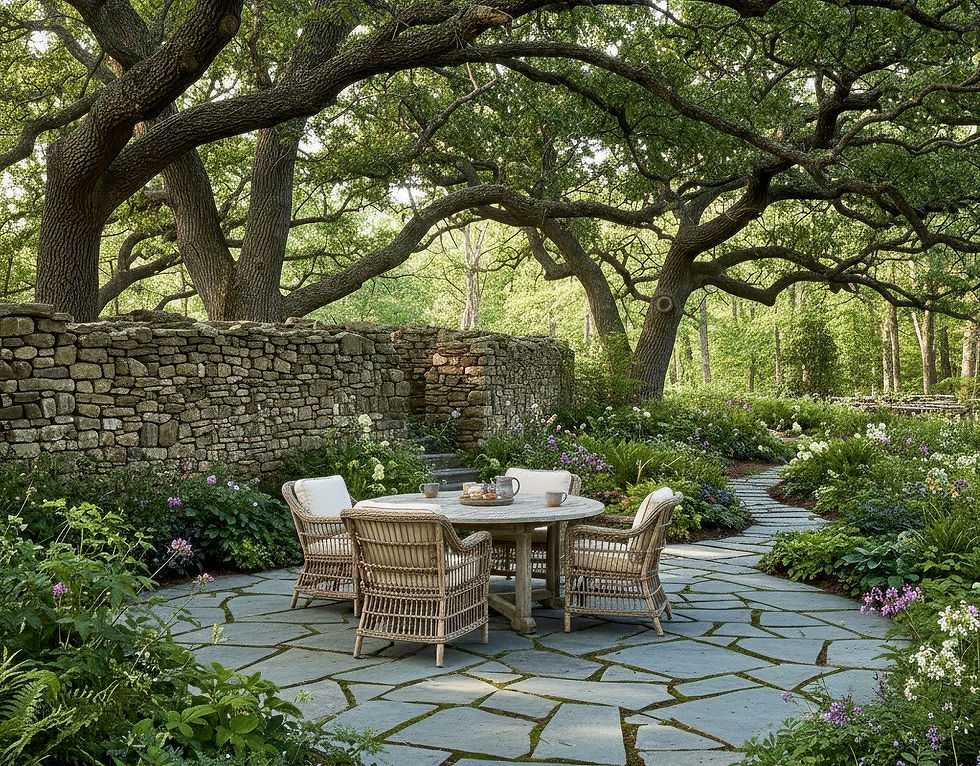
A number of ferns are hardy to Zones 3 or 4, which means they can easily survive Utah’s zone 5–6 winters.
The key is providing the right environment for them. Ferns absolutely thrive in shade or dappled light and in soil that’s rich in organic matter.
In fact, one local Utah fern expert notes that many ferns can be grown successfully in Utah when given humus-rich soil, kept well-mulched to conserve moisture and keep the soil cool.
When these conditions are met, ferns will unfurl their lush green fronds each spring and fill your shady nooks with a verdant, woodland charm. They embody what shade hardy perennials can achieve: a full, green oasis even in areas with little direct sun.
The main care consideration for hardy ferns is moisture. These shade hardy perennials generally like consistent moisture and cooler soil temperatures. In the wild, they’re often found in wooded areas with damp leaf litter, we can mimic that by using mulch and regular watering. In Utah’s dry climate, be prepared to water your ferns more frequently, especially during hot, dry spells.
A thick layer of bark mulch or compost around the plants (but not smothering the crowns) will help retain moisture and also adds nutrients as it breaks down. Most ferns are otherwise low-maintenance and don’t require much fertilization; too much fertilizer can even harm them, so it’s often enough to replenish organic matter each year. They also typically don’t need pruning, aside from trimming away old fronds in late fall or early spring.
Leave the fronds in place over winter if you can, they can insulate the plant and also add to the woodland look (plus dried fronds are easy to remove in spring). Hardy ferns usually have few pest or disease issues, as their tough fronds aren’t very appetizing to animals (deer usually ignore them).
One thing to watch is late spring frosts: if your fern fronds have just emerged and a hard frost is forecast, you might throw a light cover over them to prevent the tender fiddleheads from getting scorched.
But even if frost bites them, most will send up new fronds. Overall, ferns are moderate-care shade perennials mainly due to their water needs, keep them moist and mulched, and they’ll largely take care of themselves as graceful, green shade hardy perennials.
In terms of garden design, ferns are invaluable for filling in under trees, along shady foundations, or in any spot where you want an easy-care carpet of green. They pair well with flowering shade perennials: think of pairing ferns with astilbes, hellebores, or bleeding hearts, which can pop against the fern’s fine foliage.
Ferns also mix nicely with hostas and coral bells; the contrast between broad hosta leaves and feathery fern fronds is particularly pleasing. Because most hardy ferns spread gradually (some via underground rhizomes), they can eventually form colonies.
For example, ostrich ferns can naturalize in a moist shaded area, creating a mini-fern grove. Just be mindful that some, like ostrich fern, can spread robustly if happy, which can be great for filling space, but you’ll want to contain them if they start to wander beyond where you intend. For a smaller space or a container, consider a compact fern like a Japanese painted fern for a touch of color or a maidenhair fern for a delicate texture.
No matter how you use them, hardy ferns will lend an air of tranquility and lushness to your landscape. They prove that even in a cold, shady environment, you can achieve a garden that feels like a green sanctuary, thanks to these time-tested shade hardy perennials.
Barrenwort (Epimedium): Tough Groundcover for Dry Shade
When it comes to resilient groundcovers for shade, barrenwort (Epimedium) is a true unsung hero among shade hardy perennials. Also known as bishop’s hat or fairy wings, Epimedium is a low-growing perennial that thrives in the kind of conditions many other plants shy away from – namely, dry shade under trees or shrubs.
It features delicate, heart-shaped leaves (often with bronze or reddish tones in spring) and airy sprays of tiny flowers in spring that can be yellow, pink, red, or white depending on the variety. Don’t let its dainty appearance fool you: this plant is tough. Barrenwort’s rhizomatous roots help it withstand a range of soil conditions, from fairly dry to moderately moist.
Many varieties are hardy down to Zone 4, easily surviving zone 5 winters and making it suitable for Utah County gardens. In fact, many varieties of Epimedium are hardy even in the cold weather of zone 5, and once established they handle drought better than most shade plants. These traits make barrenwort one of the most useful shade hardy perennials for difficult shady areas where other plants struggle.
Barrenwort is wonderfully low-maintenance. As a shade hardy perennial with a spreading habit, it slowly forms a carpet of foliage about 8–12 inches tall, which can act as a living mulch in garden beds. It does best in partial to full shade and appreciates well-drained soil. While getting it established, you’ll want to water it occasionally, but once it settles in, Epimedium can get by with minimal supplemental watering, it’s notably tolerant of dry shade where tree roots create tough competition.
This is a big advantage in places like Utah where water is often at a premium. Barrenwort is also unbothered by most pests; deer and rabbits typically ignore it, and it’s not prone to diseases. One optional care task is cutting back the old foliage in late winter or very early spring. Barrenwort is semi-evergreen, in milder winters some leaves stay, but in cold climates the foliage can look tattered by spring.
Trimming it back (or even mowing it on a high setting if it’s a large patch) right before the new growth and flowers emerge will ensure the fresh red-tinged leaves and dainty blooms are clearly visible. This isn’t strictly necessary, but it can refresh the look. Other than that, you can pretty much plant it and let it be. Its ability to thrive without coddling in less-than-ideal conditions is why gardeners treasure Epimedium as a low-maintenance shade hardy perennial.
In the landscape, barrenwort is ideal for carpeting the ground beneath large shade trees where lawn grass won’t grow. It’s also great for shady rock gardens, the front of woodland borders, or along shaded pathways. The leaves of some varieties have seasonal color interest - for instance, many have bronzy new growth that turns green, and some turn reddish in fall - adding to their charm.
The spring flowers, while small, appear in cute clusters that sway on thin stems; they look like tiny columbines or fairy hats, giving a subtle but delightful show. You can combine Epimedium with other shade plants that enjoy similar conditions. For example, it pairs nicely with hellebores, since hellebores will rise above the Epimedium groundcover and bloom around the same time.
It also works well as an underplanting beneath taller shade hardy perennials like hydrangeas or rhododendrons (in cooler, shaded spots) or beneath roses of Sharon or other shrubs in part shade. Because barrenwort is not an aggressive spreader (it expands slowly and politely), you don’t have to worry about it taking over, it will just steadily fill in the area you give it. Over time, a patch of Epimedium, with its wiry stems and graceful leaves, can create a beautiful, low tapestry in the shade.
If you have a tricky dry-shade corner that needs a reliable, pretty cover, barrenwort might be the solution, proving that even the toughest spots can host shade hardy perennials with grace.
Lily of the Valley: Fragrant Carpet in the Shade
Lily of the Valley (Convallaria majalis) is a beloved shade hardy perennial known for its enchanting fragrance and charming appearance. In late spring, this plant produces petite bell-shaped flowers, usually white (and sometimes soft pink), that hang from slender stems like a procession of tiny fairy bells.

The perfume from these blooms is sweet and powerful, often perfuming the whole area. Lily of the Valley’s foliage consists of pairs of broad, lance-shaped green leaves that form a nice backdrop to the flowers. This plant is famously tough despite its delicate looks. Hardy from roughly Zone 3 to 7, it has no trouble surviving cold winters - it actually prefers a chilly winter dormant period.
In shady, cool spots (like under deciduous trees or on the north side of buildings), Lily of the Valley can form a dense groundcover over time. It spreads by rhizomes and can fill an area with its lush green leaves and spring blossoms, making it one of those shade hardy perennials that can truly transform a bare patch of ground into a vibrant carpet.
When it comes to care, Lily of the Valley is a bit of a paradox: it’s very low-maintenance in terms of growing needs, but it can require moderate management because of its vigor. To grow it, you don’t need to fuss much at all. These shade hardy perennials thrive in well-drained soil and do well under trees where many other plants struggle.
They prefer some moisture (in the wild you often find them in humus-rich, slightly damp forest soil), but once established they are fairly drought-tolerant and will come back even if neglected. They’re not prone to pests or diseases - even deer and rabbits typically leave Lily of the Valley alone. Essentially, if you plant it in a shady spot and water it now and then during dry spells, it will thrive with little additional care.
The management part comes from the fact that Lily of the Valley spreads enthusiastically. Those creeping rhizomes can make a small planting multiply into a large colony within a few years. In many regions it’s considered invasive because of how aggressively it can spread in ideal conditions. In a controlled area this is wonderful for filling space, but you’ll want to contain it if it starts to stray beyond where you want it.
One way to manage this is to plant Lily of the Valley in a bordered bed or enclosed area where its rhizomes can’t jump into lawns or other flowerbeds. Some gardeners even grow it in large sunken containers (buried pot technique) or raised beds to keep it from running.
Occasional thinning might be needed if the patch becomes too dense (you can dig some out from the edges and share with friends or plant elsewhere). Other than keeping an eye on its spread, there’s really no maintenance required - it’s a “set it and forget it” type of shade hardy perennial in terms of daily care.
In landscaping, Lily of the Valley is perfect for naturalizing in woodlands or creating a groundcover in shaded garden sections. Imagine a shady side yard or under a grove of trees with a carpet of green leaves and white bells each spring - it’s like something out of a storybook.
The fragrance makes it a great choice near outdoor seating areas or along a path where people can enjoy the scent. However, because all parts of the plant are poisonous if ingested (important if you have curious pets or children), you might avoid planting it right next to vegetable gardens or play areas - or simply educate kids not to eat it. It’s fine to handle and smell, of course; just don’t make a salad of it. Lily of the Valley pairs well with spring bulbs and other shade plants.
For example, you could have early bulbs like snowdrops or crocuses pop up through a bed of Lily of the Valley foliage before it blooms. Or plant it alongside hostas and ferns, the Lily of the Valley will do its flower show in spring and then the hostas can take over with summer foliage while Convallaria’s leaves just blend into the background.
In a small urban shade garden, a patch of Lily of the Valley can be a low-maintenance lawn alternative (though not suited for foot traffic). It’s also lovely in bouquet cuttings; just a few sprigs can scent an entire room. All in all, if you want a fragrant, hardy groundcover for a cold, shady spot, and you’re prepared to keep its spread in check, Lily of the Valley is a timeless choice among shade hardy perennials.
Beautify Your Shade Garden with Sable Hills Landscaping
Shady areas in cold climates might seem challenging at first, but as we’ve seen, there’s a rich variety of shade hardy perennials that can turn those dim corners into highlights of your landscape. From the bold leaves of hostas and the bright plumes of astilbe, to the delicate blooms of bleeding hearts and the evergreen resilience of hellebores, cold-climate gardeners have plenty of options.
By mixing low-maintenance groundcovers with a few moderate-care bloomers, you can enjoy season-long interest without overwhelming upkeep. The key is choosing plants well-suited to your site - the shade hardy perennials we discussed are all proven performers for areas like Utah County, where winters are frosty and summers are dry.
With proper soil preparation (think compost and mulch) and knowing each plant’s needs, you’ll find that your shade garden can be just as colorful and inviting as a sunny one.

As you plan or enhance your shade garden, remember to consider the overall design. Incorporate different heights, textures, and foliage colors for a layered look that draws the eye.
Grouping plants by their care needs (for example, keeping thirstier astilbes together where irrigation can be targeted, or planting drought-tolerant barrenwort in the driest shade) will make maintenance easier.
And don’t forget about timing: use early-spring bloomers like hellebores and Lily of the Valley to wake up the garden, mid-spring stars like bleeding heart and foamflower, early summer color from astilbe and coral bells, and lush greenery from ferns and hostas all season. By combining these shade hardy perennials, you ensure that every month, something beautiful is happening in your shaded areas.
Even in winter, plants like hellebores and evergreen ferns can keep the garden from looking barren. The end result is a shade garden that’s dynamic, low-stress, and tailor-made for cold climate success.
If you’re excited to transform your shady landscape but not sure where to start, or if you simply want expert help to ensure everything is done right, consider reaching out to Sable Hills Landscaping.
We are experts in Utah County when it comes to creating stunning gardens in challenging spots. Our team can help you select the perfect shade hardy perennials for your specific microclimate, soil, and aesthetic goals, blending professionalism with a personal touch.
From design through installation and maintenance, we’ll work with you to bring your vision of a thriving shade garden to life. Don’t let those shady, cold corners of your yard go to waste - let us turn them into your new favorite outdoor retreat.
Contact Sable Hills Landscaping today to get started on a beautiful, resilient shade garden that will flourish for years to come. Your dream landscape is within reach, and we’re here to make it happen with the best hardy plants and expert care every step of the way.


Comments