
The 5 Best Drought Resistant Plants Utah Has
If you live in Utah, you know how important it is to conserve water. With our arid climate and regular drought cycles, choosing the right landscaping plants can make all the difference. Fortunately, there are many drought resistant plants Utah gardeners can count on for color, texture, and durability.
In this article, we’ll highlight the five best drought resistant plants Utah homeowners should consider, along with practical tips for growing them successfully. Whether you're creating a xeriscape or updating your flower beds, these plants will help you save water and maintain a beautiful landscape. Landscape Supply of Utah has some great drought resistant plants for sale!
1. Russian Sage
Russian Sage is one of the most reliable drought resistant plants Utah gardeners can use. Its silvery-green foliage and long-lasting lavender-blue flowers offer both texture and color throughout the summer and early fall. Once established, it requires very little water and thrives in full sun.

This hardy perennial grows between 3 to 5 feet tall and spreads out to about 3 feet wide. It’s perfect for borders, rock gardens, or as a backdrop for shorter plants. Russian Sage is deer-resistant and attracts pollinators like bees and butterflies.
When planting Russian Sage, make sure the soil is well-draining. Heavy clay or consistently wet areas can lead to root rot. For best results, water deeply but infrequently during the first season to help establish a strong root system.
One of the key benefits of Russian Sage is that it thrives on neglect. Once established, it needs almost no maintenance aside from occasional pruning in early spring.
If you're looking for striking, low-maintenance, drought resistant plants Utah landscapes benefit from, Russian Sage is a top pick.
2. Desert Marigold
Desert Marigold is a cheerful wildflower native to the American Southwest and is highly adapted to dry, sunny conditions. It produces bright yellow, daisy-like flowers nearly year-round in warm climates and from spring to fall in cooler areas.
As one of the best drought resistant plants Utah gardeners can grow, Desert Marigold thrives in rocky or sandy soil with excellent drainage. It's an excellent choice for xeriscapes and roadside plantings.

The plant typically grows up to 18 inches tall and forms mounding clumps. It reseeds easily and provides an ongoing splash of color without much effort.
To keep your Desert Marigold blooming, deadhead spent flowers and provide occasional deep watering during extended dry periods. However, it's important not to overwater, as this can cause fungal issues.
This low-water flower is not only beautiful but also a great choice for attracting beneficial insects to your garden.
For bold, golden color and water efficiency, Desert Marigold ranks high among drought resistant plants Utah homeowners love.
3. Red Yucca
Red Yucca is a striking architectural plant that thrives in full sun and hot, dry climates. It produces tall, arching flower spikes with tubular red to coral-pink blooms that attract hummingbirds.
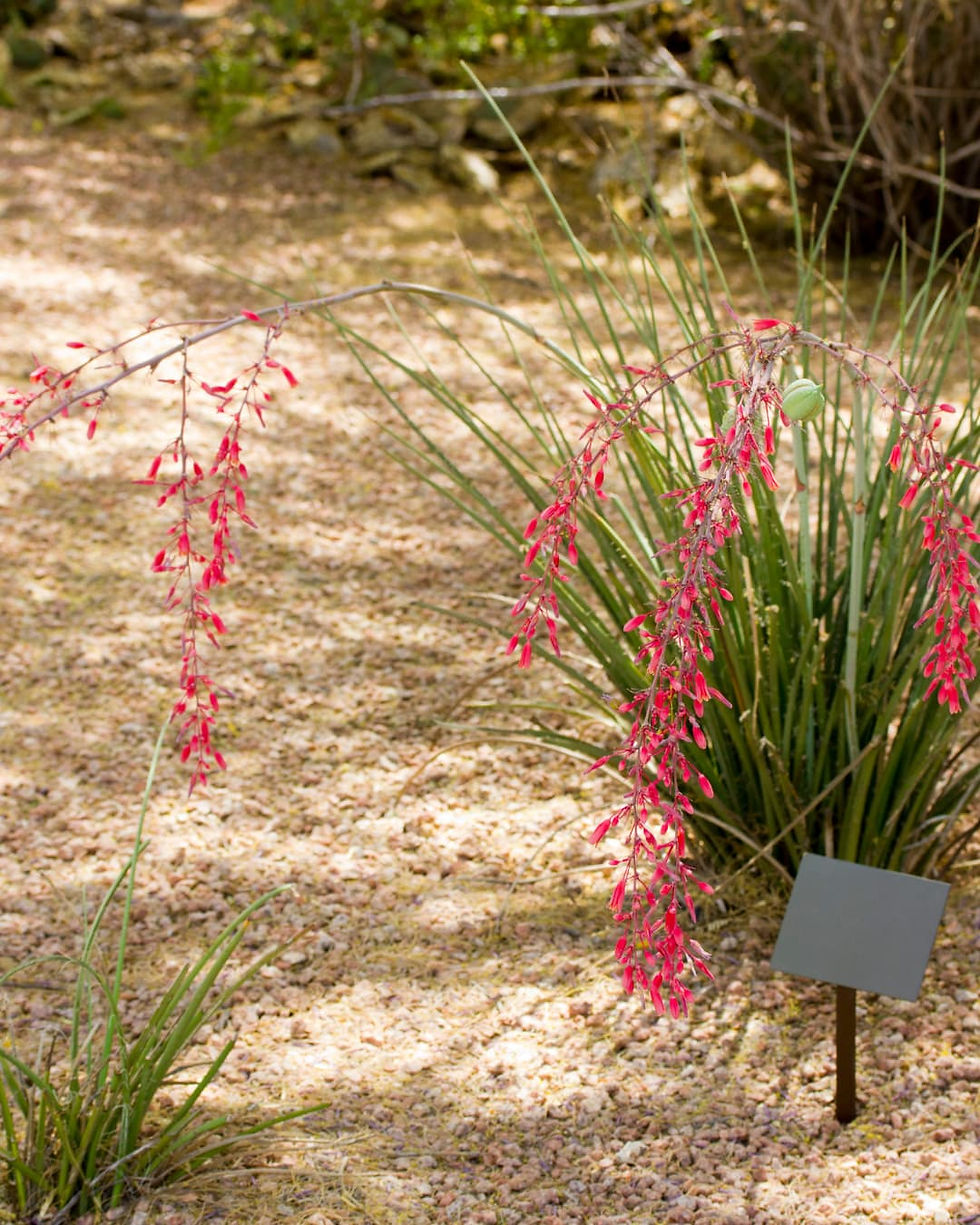
This tough succulent is evergreen in milder areas and grows up to 3 feet tall with flower stalks that can reach up to 5 feet. Its narrow, grass-like leaves form a tidy clump, and its tolerance to drought is exceptional.
Red Yucca prefers well-drained soil and can handle poor conditions, including sandy or gravelly substrates. It's ideal for rock gardens, modern landscapes, and water-wise designs.
Once established, Red Yucca requires almost no supplemental watering, making it one of the best drought resistant plants Utah gardeners can rely on.
Prune flower stalks after blooming to maintain a neat appearance. This plant also has very few pest or disease issues, making it a fuss-free choice.
Red Yucca adds vertical interest and vibrant color to any dry landscape, earning its place among the top drought resistant plants Utah offers.
4. Blanket Flower
Blanket Flower is a hardy, colorful perennial that blooms from early summer to frost. Its daisy-like flowers come in vibrant shades of red, orange, and yellow, adding a burst of color to any landscape.
This plant thrives in full sun and well-draining soil, making it one of the most adaptable drought resistant plants Utah gardeners can grow. It tolerates heat, poor soil, and limited moisture.
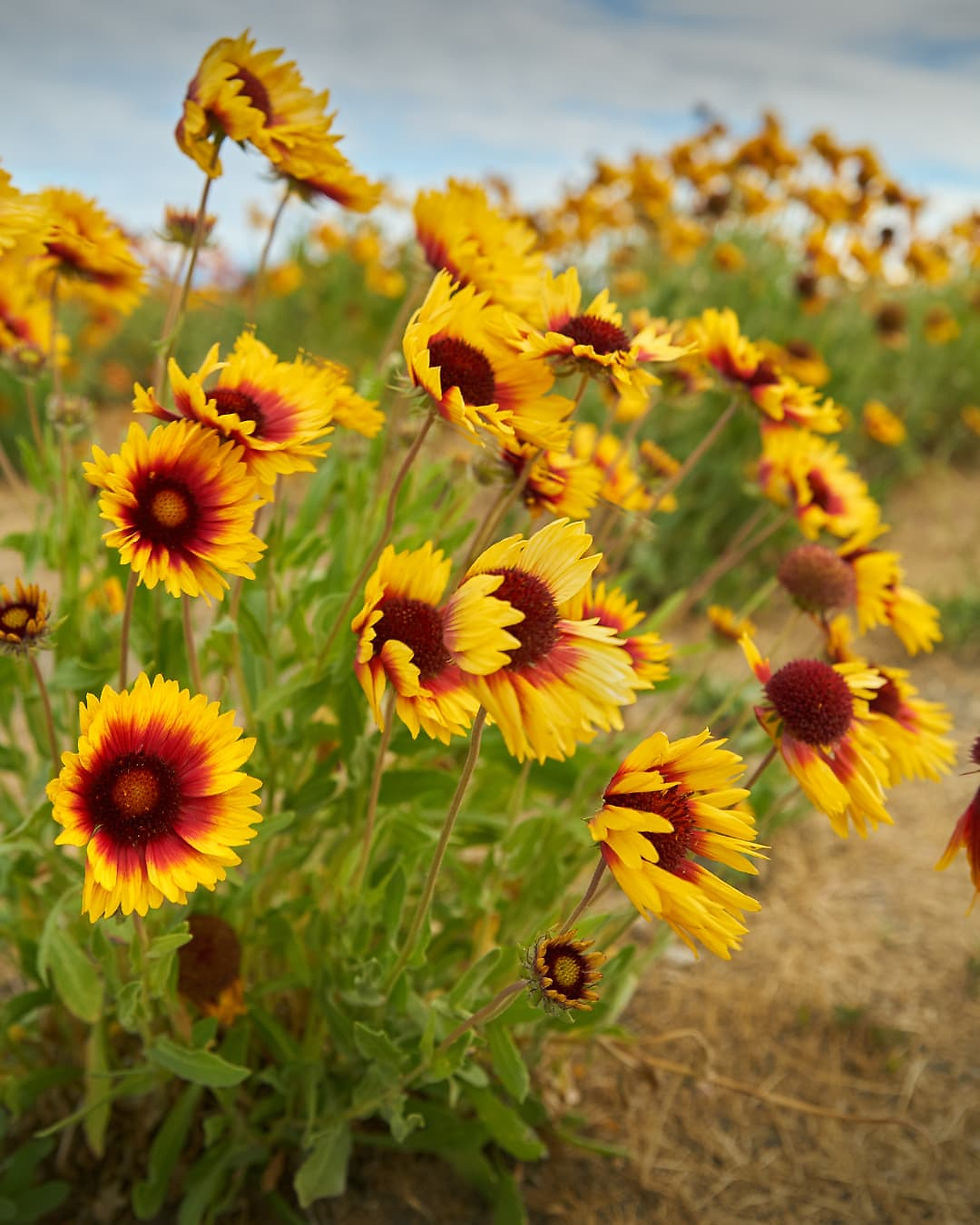
Blanket Flower typically grows about 12 to 18 inches tall and spreads easily. It’s ideal for borders, wildflower gardens, and mixed beds.
To encourage continuous blooming, deadhead spent flowers regularly. This will also help extend the flowering period well into the fall.
Water only when the soil is completely dry, especially after the plant is established. Too much moisture can cause root rot and reduce flowering.
With its cheerful colors and tough nature, Blanket Flower is a go-to choice among drought resistant plants Utah landscapes embrace.
5. Utah Serviceberry
Utah Serviceberry is a native shrub that offers year-round interest and incredible drought tolerance. In spring, it produces clusters of white flowers, followed by edible berries in summer and vibrant foliage in fall.

This plant can grow as a large shrub or small tree, reaching 10 to 15 feet in height. It adapts well to various soil types, including dry, rocky, or sandy soils.
As one of the most versatile drought resistant plants Utah supports, Utah Serviceberry works well in naturalistic landscapes, privacy screens, or wildlife gardens.
It requires little watering once established and is resistant to most pests and diseases. Birds are especially fond of its berries, making it a great plant for supporting local wildlife.
Prune in late winter or early spring to shape the plant and remove any dead or damaged branches. Fertilizer is rarely needed.
Utah Serviceberry is both functional and attractive, making it one of the most useful drought resistant plants Utah residents can choose.
Additional Plants
6. Apache Plume

Apache Plume is a native shrub well suited to Utah's dry climates. It features small white flowers that bloom in late spring and summer, followed by unique, feathery pink seed heads that resemble plumes. This plant brings year-round interest and requires minimal water once established.
Apache Plume grows 3 to 6 feet tall and wide, making it an excellent choice for hedges, screens, or naturalized plantings. Its airy foliage and ornamental seed heads add a light texture to dry landscapes.
This shrub prefers full sun and well-drained soils and is highly tolerant of poor, rocky sites. It’s an excellent solution for erosion control on slopes or dry hillsides.
Because it is a native species, Apache Plume is naturally adapted to drought and thrives without supplemental watering. It’s also resistant to most pests and diseases.
Apache Plume is a great example of how drought resistant plants Utah homeowners choose can also be ornamental and functional.
7. Penstemon
Penstemons, commonly known as beardtongues, are one of the showiest groups of drought resistant plants Utah offers. With tubular flowers in red, pink, purple, and blue, they are highly attractive to hummingbirds and pollinators.

These perennials prefer full sun and well-drained soils. Many varieties are native to Utah and adapted to the region’s tough climate conditions.
Penstemons range in size from compact groundcovers to upright varieties reaching 3 feet tall. Their long bloom period from late spring into summer adds vibrant color to xeriscapes and native gardens.
Minimal watering is needed once established. Overwatering or poorly drained soil can be detrimental to Penstemon plants, leading to root rot or short lifespans.
Penstemons reseed readily, providing a naturalized look over time. Regular deadheading helps extend the bloom time.
With their bold colors and low water needs, Penstemons are a favorite among drought resistant plants Utah gardeners love.
8. Blue Flax
Blue Flax is a delicate wildflower that produces sky-blue flowers each morning during its blooming season. It’s native to Utah and ideal for naturalized gardens and wildflower meadows.

This perennial grows to about 18 inches tall and forms graceful clumps with narrow, wiry stems. It thrives in full sun and well-drained soils, especially sandy or rocky areas.
Though each flower lasts only a day, Blue Flax blooms prolifically from late spring through mid-summer, providing a continuous show.
Blue Flax requires minimal water once established and often thrives with just natural rainfall. It’s also deer resistant and attractive to pollinators.
It’s best planted in groups or mixed with other drought-tolerant species for a natural effect. The plant readily self-seeds, ensuring it returns year after year.
As a native, drought resistant plant Utah landscapes can benefit from, Blue Flax is both charming and ecologically valuable.
9. Agastache
Agastache, also known as hummingbird mint or hyssop, is a drought-tolerant perennial with aromatic foliage and vibrant flower spikes in shades of pink, orange, and purple.

This plant grows between 2 to 4 feet tall and is a magnet for bees, butterflies, and hummingbirds. Its long bloom period extends from summer into early fall.
Agastache thrives in full sun and well-drained soils. It prefers lean, sandy soil over rich, moist conditions and benefits from minimal watering.
Deadheading helps prolong the bloom season and keeps the plant looking neat. Some varieties are more cold-hardy than others, so choosing the right cultivar for your Utah zone is important.
The fragrant leaves can also deter deer and rabbits, making Agastache an excellent choice for critter-prone areas.
As one of the top-performing drought resistant plants Utah gardeners can grow, Agastache offers both beauty and resilience.
10. Four-wing Saltbush
Four-wing Saltbush is a rugged native shrub that excels in dry, alkaline soils and full sun. It features silvery foliage and unique winged seeds that add interest to the fall landscape.

This plant grows up to 8 feet tall and wide, forming dense thickets that are useful for erosion control, windbreaks, and wildlife cover.
It’s extremely tolerant of drought, salt, and poor soils, making it ideal for Utah’s high-desert conditions. Once established, it rarely needs watering.
The foliage is also edible to livestock, and its tough structure provides excellent shelter for birds and small animals.
Four-wing Saltbush is incredibly hardy and needs little maintenance beyond occasional pruning. Its longevity and adaptability make it a valuable landscaping element.
As one of the most enduring drought resistant plants Utah offers, this shrub is perfect for naturalized and low-input designs.
11. Globe Mallow
Globe Mallow is a fast-growing, drought-tolerant perennial with bright orange, pink, or lavender blooms. Its fuzzy gray-green foliage helps reflect sunlight and conserve moisture.

This plant thrives in dry, sunny locations and requires very little maintenance. It can bloom from spring into late summer and grows 1 to 3 feet tall.
Globe Mallow is perfect for adding bold color to rock gardens, borders, and dry slopes. It is well-suited for erosion control and restoration plantings.
Water needs are minimal once established, and the plant performs best in poor, sandy soils. It also self-seeds readily.
Pruning after flowering encourages denser growth and can extend its blooming period.
Among the drought resistant plants Utah homeowners favor, Globe Mallow stands out for its vibrant color and durability.
12. Sundancer Daisy
Sundancer Daisy is a cheerful native wildflower with bright yellow petals and a compact habit. It thrives in dry, sunny locations and blooms profusely in spring and early summer.
This perennial grows 6 to 12 inches tall and forms dense mats, making it excellent for groundcover in xeric gardens.
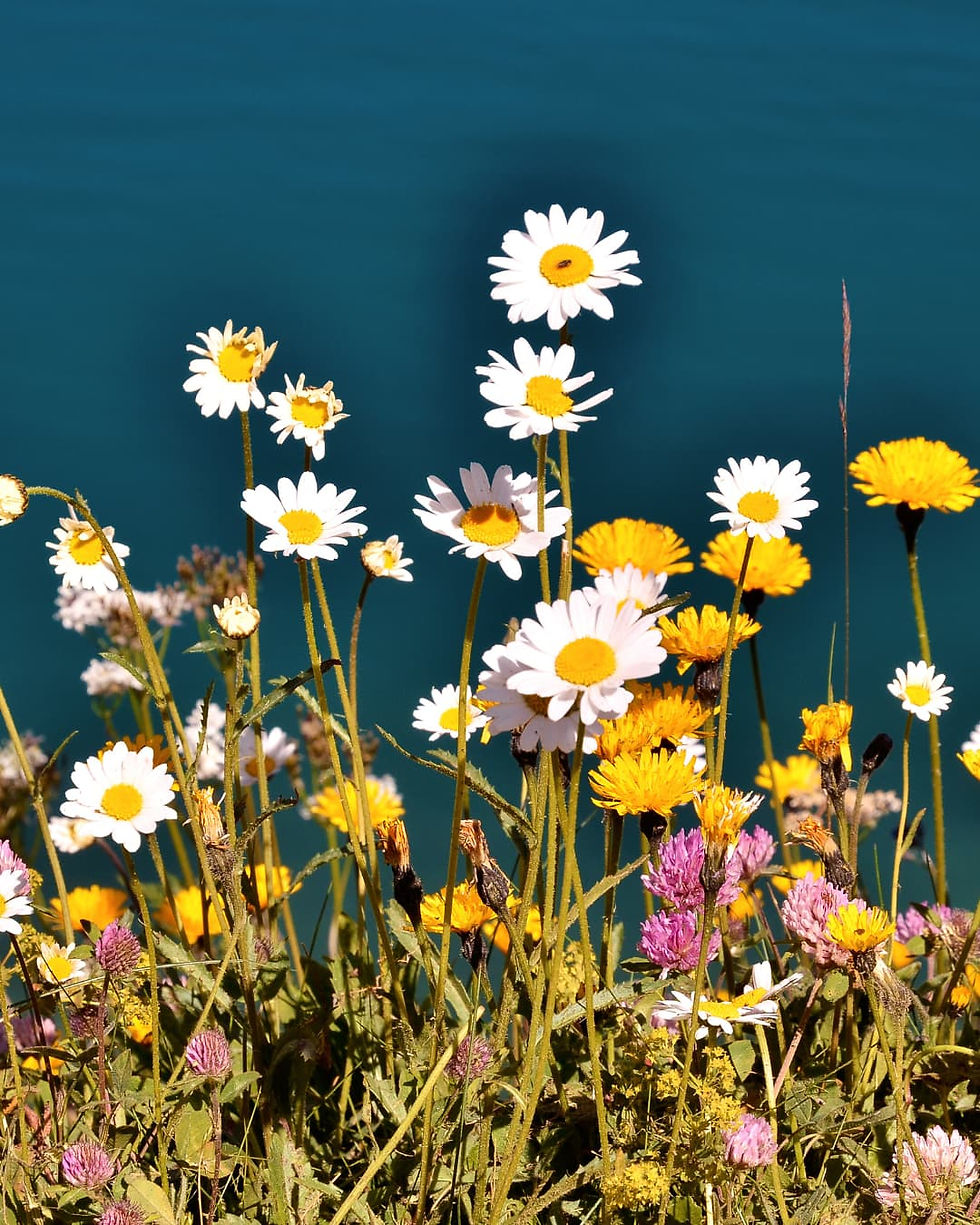
It prefers sandy, well-drained soils and requires little to no supplemental water. It’s perfect for filling gaps between larger plants or adding color to gravel pathways.
Sundancer Daisy is deer resistant and a great nectar source for pollinators. It spreads slowly and remains tidy throughout the growing season.
Minimal care is required aside from deadheading to encourage more blooms.
As a compact, hardy addition to drought resistant plants Utah residents enjoy, Sundancer Daisy brings a pop of color to dry spaces.
13. Prickly Pear Cactus
Prickly Pear Cactus is a staple in drought-tolerant landscapes. It offers bold, sculptural pads and large, showy flowers in yellow, red, or pink.

Native to the Southwest, this cactus requires full sun and sharply drained soil. It thrives in hot, dry conditions and stores water in its pads for extended survival.
Prickly Pear can grow 2 to 4 feet tall and spread widely. It’s also edible—its pads and fruits can be harvested and prepared in a variety of ways.
It’s nearly maintenance-free and needs water only during prolonged droughts. Be cautious of its spines when planting or maintaining.
This cactus is incredibly hardy and can withstand temperature extremes, pests, and neglect.
Among drought resistant plants Utah gardeners trust, Prickly Pear is both practical and visually dramatic.
14. Yucca
Yucca is a bold, evergreen perennial known for its sword-like leaves and tall flower spikes. It provides year-round interest and thrives in extreme conditions.
Yucca plants require full sun and dry, sandy soil. They are incredibly drought-tolerant and survive on minimal water once established.

Most varieties grow 2 to 4 feet tall, with flower spikes reaching up to 6 feet. The blooms attract pollinators and add architectural flair to garden designs.
Yuccas are resistant to deer and most pests, making them easy to maintain. They pair well with gravel mulch and other xeric plants.
These plants are well suited to rock gardens, modern landscapes, and dry borders.
For striking form and water efficiency, Yucca deserves a spot among the best drought resistant plants Utah has available.
Tips for Growing Drought Resistant Plants in Utah

Start with the Right Soil: Most drought resistant plants Utah gardeners use prefer well-drained soil. Amending with sand or compost can improve conditions.
Water Wisely: Deep, infrequent watering encourages strong root systems. Avoid shallow watering, which leads to weak growth.
Mulch Matters: A 2-3 inch layer of mulch helps retain moisture, regulate soil temperature, and suppress weeds.
Choose Native Plants: Native drought resistant plants Utah supports are already adapted to the local climate and soil.
Group by Water Needs: Keep plants with similar water requirements together to maximize efficiency and minimize waste.
By focusing on drought resistant plants Utah landscapes thrive on, you can create a sustainable, low-maintenance garden that looks great year-round while conserving water. If you’d like to learn about even more drought resistant plants in Utah, check out what Big Rock Inc. has to say!
What Next?
When it comes to creating a water-wise landscape, choosing the right plants is key. These five drought resistant plants Utah homeowners rely on not only save water but also offer lasting beauty and ecological benefits. From the bold blossoms of Blanket Flower to the structural elegance of Red Yucca, there's a drought-tolerant option for every garden style.

With smart planning and sustainable choices, your Utah garden can be both resilient and stunning. Embrace these top drought resistant plants Utah has to offer and enjoy a landscape that thrives in our unique climate.
Contact Sable Hills Utah for a free estimate! Check out our website to see some of our previous work. We can't wait to get started on landscaping your dream project!


Comments